Welcome to ChooseSustainable.org where we explore ways of living sustainably. In this series of short posts I present a native plant to encourage everybody to abandon our traditional way of gardening (basically a continuous fight against nature) and engage in sustainable gardening practices that nurture the ecosystem, sustain wildlife and foster biodiversity.
In this post I’ll talk about a small tree I planted in my yard a few years ago: Amelanchier Arborea (Downy Serviceberry).
Quick facts:
Zones:4-9
Bloom time: Early spring (March-May)
Sun: Sunny area to shade
Soil Moisture: Medium, Wet
Aggressive: NO
Front yard: YES
Height: (15-25’) But it can vary
Status: OK
Maintenance: NONE
Wildlife value: High
Wildlife connection: The trunk, flowers, leaves, and fruits of this plant are very important for wildlife.Serviceberry is the host plant to caterpillars of several butterflies and moths. Several other insects use this plant for their larvae. The flowers attract bees, honeybees, and other early insects and the berries are food to birds and small mammals.
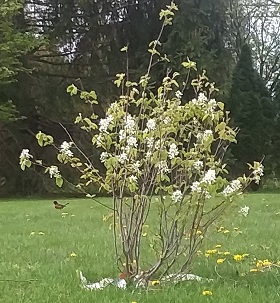
I planted a very small serviceberry tree in my backyard several years ago. Not being very familiar with the plant I placed it in a location where it was unhappy. Thinking in retrospect, the soil was probably too dry. Although the plant is tolerant of a wide range of soil moisture it prefers moist and well drained soil.
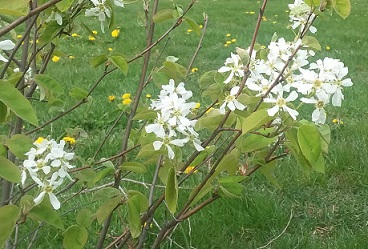
After waiting for a few seasons I decided to transplant it to a different location. Since then the tree has been growing better and this year it bloomed for the first time.
If you are looking for a small tree, Serviceberry is a very good choice. Its size makes it suitable for small yards but it can be a nice decorative addition to a big yard as well. It provides early spring flowers, fruits, and foliage color in fall and it seems fairly low maintenance. The spring flowers are particularly important for early bees, when other flowers are still not available.
Please make sure to purchase native flowers from nurseries that don’t use neonicotinoids and look out for the full botanical name to avoid cultivars. Contact me for suggestions on where to buy.
Would you like to talk about a native plant in your backyard? Please send me your post at info@choosesustainable.org
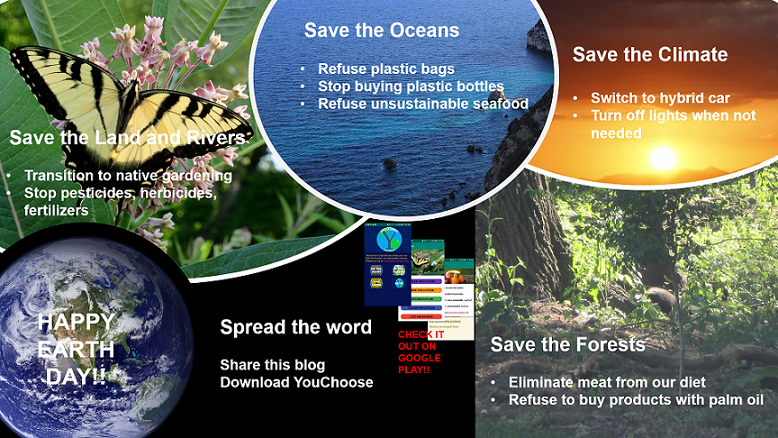
Remember that saving our Earth starts at home with our everyday actions. Please don’t doubt for a second that even small changes in our habits make a difference.
Here are 10 actions we can all take every day for our Earth:
Save the Forests:
Reduce meat consumption
Refuse to buy products responsible for deforestation
Save the Oceans:
Refuse unsustainable seafood
Stop using plastic bags
Stop plastic bottles and single-use plastic as much as you can
Save the Land:
Stop using pesticides, herbicides, and fertilizers in your yard
Reduce lawns and help restore native plants
Reduce waste
Save the climate
Reduce use of electricity
Buy local
Get informed
Want to know more? Download the YouChoose Android app from Google Play (free and no ads)
I am sure there are many more things we can do. Please send me your thoughts at info@choosesustainable.org
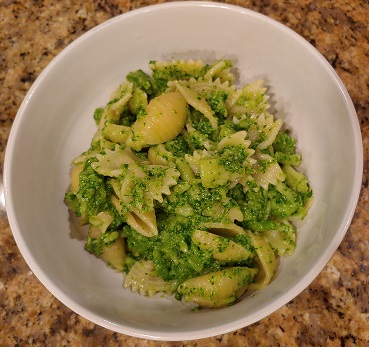
This is a very quick and sustainable recipe with only two ingredients: pasta and broccoli. For those who like whole wheat, the short pasta used in this recipe is available also in a whole wheat version which I have tried and is pretty good. Any type of short pasta will work. Below are some additional tips to go more sustainablefor those who have the time and availability .
Ingredient
More Sustainable
Less Sustainable
Broccoli
Fresh/Organic
Frozen/Regular
Preparation time: 15-20 minutes
Ingredients (3-4 people)
Enough broccoli for 3-4 portions
250-320 g of short pasta-regular or whole wheat-adjust based on personal preferences
One table spoon of olive oil
Half teaspoon of red chili pepper (optional)
Procedure
Remove the hard part and wash the broccoli
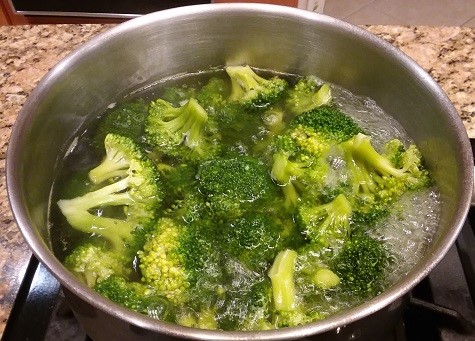
Transfer broccoli into a pot and cover them with lightly salted water
Boil until broccoli are tender, they need to be well cooked
Heat the oil in a pan
Add red chili (optional)
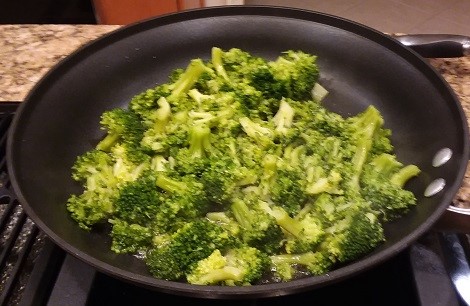
Add boiled broccoli and cook for a few minutes smashing them, I use a hand-held blender at the end to make the sauce more creamy
Add salt if necessary
Cook the pasta in salty water
When ready toss the pasta in the pan with the broccoli for one minute
Welcome to YouChoose, a blog where we explore ways of living sustainably. This month I would like to share one step we can all take to reduce our environmental footprint: Reduce the use of plastic bags. This seems like a fairly straightforward step, however, as it always happens when trying to change long ingrained habits, it takes some discipline, planning, and a little time. There is more to plastic than just bags and some plastic is difficult to eliminate depending on where one lives because of the lack of alternatives. For this reason we’ll focus on different items in different posts.
If you look around you will see that there is still much to do in this area. In some places plastic bags are banned altogether, however, while we wait for businesses to help out, individual actions are fundamental in making a difference and this is really one area where they can. The fact is that no matter how large or small the item we purchase is, we seldom get out of a store without holding a plastic bag, big or small, plain or decorated, distinctive or unremarkable. Even if the purchased object is something that could easily fit in a pocket or a purse, it is invariably placed and handed to us in a plastic bag and we, like automata, extend our hand and grab the bag before heading out of the store.
Free produce bags and cotton bags upcycled from old fabric are available. Check them out here.
QUICK TIPS TO REDUCE PLASTIC BAGS
Recognize the importance of the problem and the need totake action
Be disciplined and train yourself to refuse plastic bags
Set realistic goals and achieve them one by one
Keep a set of reusable canvas bags in the car
Keep a set of reusable produce bags in the car
When checking out of any store ask yourself: “Do I really need a bag?”
Buy produce that is not packaged in plastic bags
Consider alternatives to plastic bags in the house
First of all, why is it important that we reduce plastic bags? Because they are contributors to a large percent of the plastic pollution of our planet on both sea and land and because they are for the most part unnecessary. That is also the reason why I find it really puzzling that we still rely so much on them. No day goes by without a news article or a talk about the scourge of plastic pollution in the oceans, and yet we fail to make a connection between that problem and our everyday habits. In fact I still see 99% of buyers coming out of stores carrying plastic bags. There is definitely room for improvement.
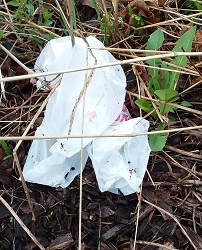
I routinely finds grocery store plastic bags in my backyard
I myself used to not worry so much about it, thinking that I recycled the bags after using them. However I realized later that recycling should be the last resort for the plastic we really can’t dispense with, not a feel-good excuse. In fact, recycling is not a sustainable option because it requires energy and because much of what we put in the recycle bin ends up somewhere in some other country still polluting land and rivers, just out of our sight.
WHERE TO START?
Step 1: Find the source
Action #1: Find out the provenance of the plastic bags in your home. At the beginning I tried to find the source of the plastic bags in my home. Certainly, the grocery storewas one major source of plastic bags. I used to be flooded with plastic, from packaged vegetables (for example a bag of potato, onions, and apples, etc.), frozen items, not to even mention plastic containers. Some high-end grocery stores have a paper bag only policy. Very few grocery stores in my area do offer a paper option, however it seems that most people opt for plastic. Additional, but less frequent, sources of plastic bags included other stores such as clothing, household, home improvement, or anything else. Therefore my first target was the trip to the grocery store.
Step 2: Eliminate grocery store bags
Action #2: Check if you have reusable bags in your home to put to a good use! If not available, you can purchase a set of washable canvas bags and train yourself to carry them with you in the store. After thinking about it I realized that several canvas bags collected throughout the years from meetings, conferences, and organizations I support were unused in the closet. I decided to take those with me every time I went shopping. The biggest challenge at the beginning was to remember to put the bags in the car and take them with me in the shop. It took me a while, but I can assure you that after a few months of persevering it becomes second nature to remember to carry the reusable bags with you. Now I keep the bags in the car (trunk or the back seat) and it has become a part of my habits so that I also carry them when shopping in other stores.
Step 3: Eliminate produce bags
Action #3: Get organized with reusable bags for fruits and vegetables. Once I settled with the reusable canvas bags I focused on the plastic produce bags. Reusing these didn’t work out very well because they tear easily and sometime become dirty so I ended up with shreds of dirty plastic bags that couldn’t even be recycled. I then decided to just place the vegetables directly in the shopping cart and then in the canvas bag with everything else at the checkout, this is an option, however it didn’t work out well for me.
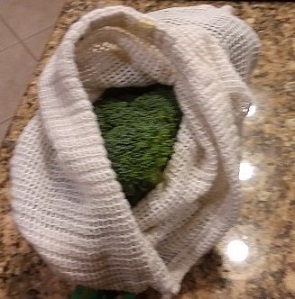
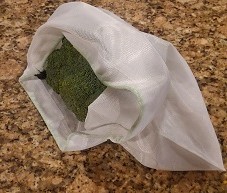
For this reason, I decided to invest a little amount of money (perhaps $30) to purchase reusable produce bags. I purchased two types: One is a natural fiber that has the consistency of a net, the second one is a synthetic pouch. They both come in a set of many sizes which are large enough to contain any amount of vegetables. Especially the canvas ones seem small, however they stretch and expand with the weight of the vegetables. I use the natural fiber bags at the grocery store and the other type to store the vegetables in the refrigerator, this way I never run out of them.
At the beginning I was a little bit worried about rotting, but I can definitely say that it is not the case and this system has worked very well for me for several years. Both models are washable in the washer so I just add them to the load and dry them quickly by hanging.
Step 4: Eliminate packaged fruit and vegetables
Action #4: Make a point to purchase plastic-free produce. The simple steps described above have definitely helped eliminate the vast majority of plastic bags entering the house. After settling in this routine (it took me several months) I focused my attention on selecting bag-free fruits and vegetables. Instead of purchasing potatoes and onions in five-pound bags, I now buy everything that is non packaged. It is true that sometimes it’s impossible to find what we like without plastic. For example we used to buy some small apples that were available only in plastic bags. I stopped buying them and now look for similar products without the plastic. Similarly, if organic vegetables come in plastic I opt for regular. Buying in bulk may be slightly cheaper, however if possible bag-free produce is a better choice.
Step 5: Reduce plastic bags in the house
Action #5: Think of ways to reduce plastic bags use in your home. Before I decided to reduce plastic bags, I used to keep one large trash bag in the bin and smaller bags around the house which were replaced weekly. In addition there were small bags to clean the cats’ litter box and Ziploc storage bags to pack my daughter’s lunch. We’ll talk about zero waste lunches and eliminating Ziploc storage in a different post. After thinking this through I realized that replacing all those plastic bags every week was really unnecessary. The kitchen bag was replaced with a compostable bag for all waste. There was an initial worry that a compostable bag in the kitchen will leak, however I found an excellent 13-gallon compostable bag that lasts the entire week without any leak. Similarly, all other bags in the house are not replaced weekly anymore but on a need basis. As for the waste from the cats’ litter box it now goes in small paper bags. In total we are down to one plastic bag per week.
In spite of all my efforts, I still produce enough plastic bags that occasionally a trip to the recycle collection is necessary, the amount of plastic that goes to recycle however is now considerably reduced. Where it used to be the equivalent of one grocery bag full of plastic every about 2 weeks it is now the same every 2-3 months. Additional sources that I am trying to reduce are bread and frozen vegetable bags.
To conclude this blog, I would like to extend two challenges here:
The first challenge is to ask ourselves whenever we are checking out of any store: Do I need a bag for this? Is this something that I can just carry to my car?
The second challenge is to take ownership of the plastic problem and make a conscious effort to take reusable bags with us every time we go in any store and tell the cashier: I brought my own bag, no need for plastic.
Do you want to share your experience about reducing plastic bags? Send me an email at info@choosesustainable.org
Welcome to ChooseSustainable.org where we explore ways of living sustainably. In this series of short posts I present a native plant to encourage everybody to abandon our traditional way of gardening (basically a continuous fight against nature) and engage in sustainable gardening practices that nurture the ecosystem, sustain wildlife and foster biodiversity.
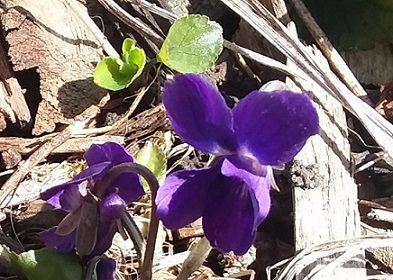
In this post I’ll talk about a spring flower that comes up in my backyard: Viola Sororia (Common violet).
Quick facts:
Zones:3-9
Bloom time: Early spring (March-May)
Sun: Sunny area to shade
Soil Moisture: Medium, Dry
Aggressive: YES (but keep in mind it is a 3 inch plant)
Front yard: YES
Height: (3-4’’)
Status: OK
Maintenance: NONE
Wildlife value: High
Wildlife connection: Viola sororia is the host plant of several marvelous butterflies whose populations have been declining. The caterpillars of at least five different Fritillary butterflies feed on the foliage, the seeds are attractive to ants. Several birds and small mammals eat the seeds and occasionally the leaves of this plants. Read more at https://www.fs.fed.us/wildflowers/pollinators/pollinator-of-the-month/fritillary.shtml
I wasn’t really thinking of writing this post until last week when I was placing an order to purchase a few violets for the front yard and did a quick internet search on common violet. I was surprised and saddened to read the conversations about this little plant and felt that it deserves better than the constant disdain it gets. The discussions around this flower usually include terminology such as weed, extirpate, smother, eradicate and similar. One is even warned not be fooled by its innocent look! I quickly realized I was dealing with the public enemy #1 of the gardening world.
Apparently the unforgivable crime of this tiny warrior is that it refuses to die and go extinct like so many other less resilient native plants. In some posts the plant is tagged as an invasive! However if we look at the definition of invasive plants from the USDA we find that an “invasive species” is defined as a species that is:
Non-native (or alien) to the ecosystem under consideration; and,
Whose introduction causes or is likely to cause economic or environmental harm or harm to human health.
Our little viola sororia is a native plant, which means it was here before we Europeans even arrived, and it doesn’t cause any harm to anybody. It is actually an edible and medicinal plant. In addition, as the host plant of several butterflies, is beneficial to the environment. By this definition we humans are a more invasive species than the viola sororia!
In fact the gentle violet has been gracing our landscapes for thousand of years. Known in ancient Greece as ion, the violet was borne from an act of kindness of our Mother Earth (the goddess Gaia) to feed Io, a young girl turned into a cow by the always vengeful Greek gods. It speaks a lot of our gardening habits the fact that a gift from our Earth, a symbol of love and gentleness has become the object of so much hatred.
I welcome violets in my yard wherever they come up, usually in patches here, there, and everywhere. Hopefully this short post will inspire others to see violets in a different light, to see that they have an important purpose and perhaps to stop and think before removing them. By letting this ancient flower thrive in your yard you will be feeding small herbivores and birds, and you will be sustaining a declining population of butterflies. If you think your efforts won’t make a difference think again. For the first time this past summer I was able to snap a picture of a Fritillary in my backyard.
Welcome back dear violets, resist, I am glad you haven’t become another casualty of our suburban gardening.
Please make sure to purchase native flowers from nurseries that don’t use neonicotinoids and look out for the full botanical name to avoid cultivars. Contact me for suggestions on where to buy.
Would you like to talk about a native plant in your backyard? Please send me your post at info@choosesustainable.org
Welcome to ChooseSustainable.org where we explore ways of living sustainably. Spring is here and I would like to share my first gardening post. This is the first short post in which I present a native plant to encourage everybody to abandon our traditional way of gardening (basically a continuous fight against nature) and engage in sustainable gardening practices that nurture the ecosystem, sustain wildlife and foster biodiversity.
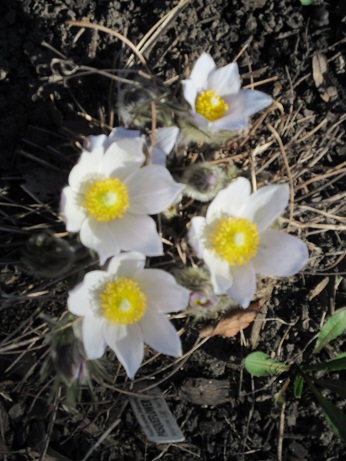
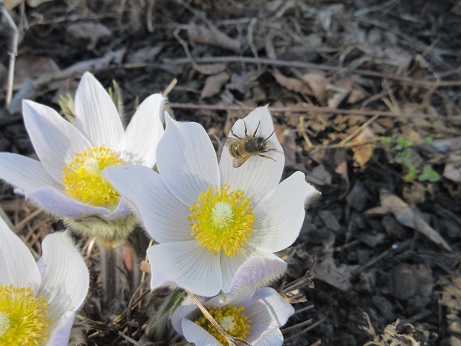
More on this later, now I want to talk about one of the first spring flower that come up in my backyard: Pulsatilla Patens (Eastern Pasqueflower).
Quick facts:
Zones:3-6
Bloom time: Early spring (April)
Sun: Sunny area or partial shade
Soil Moisture: Medium, Dry
Aggressive: NO
Front yard: YES
Height: (3-4’’)
Status: OK
Maintenance: NONE
Wildlife value: High
Every spring around March, after I do the spring cutting of the tall prairie plants, I anxiously await the first signs of spring in the garden. By the end of March as soon as the snow clears, I search for my beloved Pasqueflowers and feel very happy when I see them coming back, among the first to announce the arrival of spring. Pulsatilla Patens is one of the spring ephemerals. For many suburban inhabitants of the Midwest gardening season starts at the end of May, on Memorial Day, however for native gardeners the season starts much earlier, at the beginning of March. Spring ephemeral for all their understated and brief beauty play a very important role in sustaining the ecosystem and I encourage everybody to plant large amounts of these perennials. I have neglected spring ephemeral in my garden but am planning to substantially increase their number this year.
Of course, one may say we have plenty of early bloomers, daffodils, hyacinths and tulips, but none of them serves the important task that the native early spring flowers accomplish, which is to provide food to the first insects that come out of hibernation. Last year I planted a bunch more and I am hoping to see them come back this year. This little flower makes a great addition to the front yard, it is very well behaved, doesn’t spread (I wish it did) and will also go very well in the mulched area under trees.
If you plant this little jewel in your yard, you’ll see early bees flocking to it when everything else is still dormant. Please make sure to purchase native flowers from nurseries that don’t use neonicotinoids and look out for the full botanical name to avoid cultivars. Contact me for suggestions on where to buy.
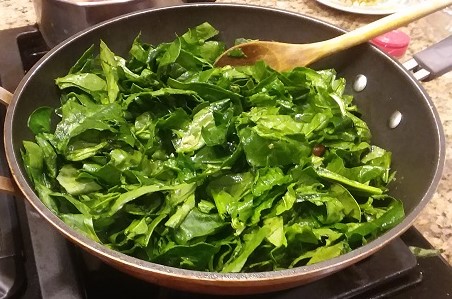
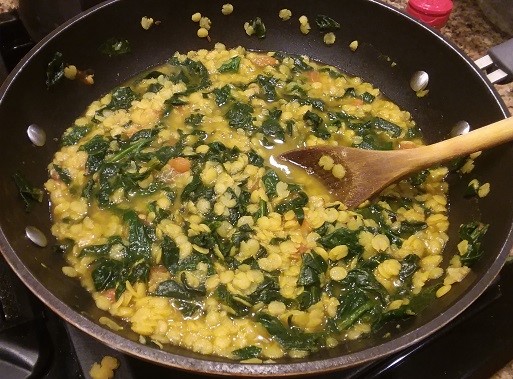
This recipe requires a few ingredients such as yellow lentils (toor dal), garam masala, and hing that can be found in Indian grocery stores. Yellow lentils can also be found at regular grocery stores depending on where you live. Hing (asafoetida) and garam masala can be skipped if they are not available where you live and replaced with available spices. You can adjust the ingredients to suit your taste. Spinach usually require a lot of pesticides, choosing organic spinach helps reducing the use of pesticides in agriculture. It is also better to avoid produce packaged in plastic bags.
I’ll be happy to send you entirely upcycled produce and grocery bags. Check them out here and let me know if you need any.
Useful things to have ready
I suggest to rinse and soak the yellow lentil for about 8 hours before boiling, however is not required. After soaking them they can be kept in the refrigerator for a day or two before cooking.
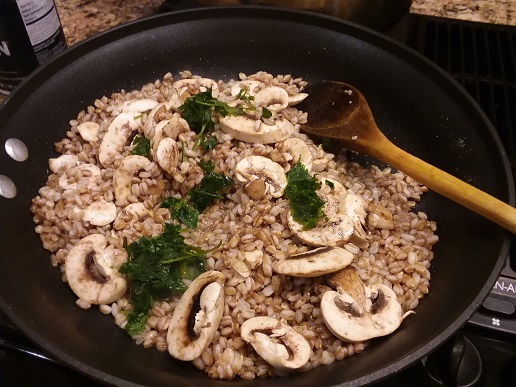
Organic farro is a sustainable ingredient (wish I could find it in a sustainable package) and this recipe is very simple. Farro can be used as a side dish with tofu or with legumes. It can also be used as a substitute for brown rice. The ingredients of this recipe are generally sustainable. You can adjust the ingredients to suit your taste. Below are some additional tips to go more sustainablefor those who have the time and availability .
Ingredient
More Sustainable
Less Sustainable
Farro Mushrooms Garlic
Organic Organic No packaging
Regular Regular Packaged
Useful things to have ready
I suggest to rinse and soak the farro for about 8 hours before boiling. After boiling it can be kept in the refrigerator for a day or two before cooking it.
Preparation time: 30 minutes
Ingredients (3-4 people)
Pearled farro (1 fistful/person + 1 more)
1 garlic clove
6-7 bella or white mushrooms
One table spoon of olive oil
Half teaspoon of red chili pepper or black pepper (optional)
Salt
Parsley (optional)
Procedure
Drain and rinse the farro
Boil for 15-20 minute in slightly salty water
When the farro is soft but not mushy drain it in a colander and immediately rinse with cold water
At this point you can store it in a refrigerator in a closed container for a day or two or you can proceed
Smash the garlic clove
Add the olive oil to a non-stick pan
Add red pepper (optional)
Add smashed garlic and cook for 1 minute
Add farro and cook for 2 minutes mixing
Add mushrooms
Add salt if necessary
Cook for a few minutes until the mushrooms are ready
Welcome to Choosesustainable.org, a blog where we explore ways of living sustainably.
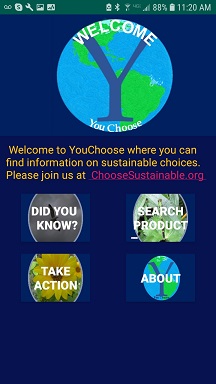
This month I would like to share the app that I developed. About a year ago, I started thinking about what more could be done to raise awareness of the link between the destruction of the environment and the products we use every day. I thought of developing an app that could provide interested users with quick information, suggestions, product ratings, and links on the topic. After doing a lot of research and learning a lot, I have finally an initial working version of the app that I would like to make available for download. The app (android) is available for download on Google Play, it can be downloaded from the side bar of the page.
The name of the app is YouChoose. The name and the logo, the Pythagorean Y, place an emphasis on the power of individual choices. The narrow branch on the right is the hard path that leads to a better future, the large branch on the left is the easy path that ultimately leads to destruction.
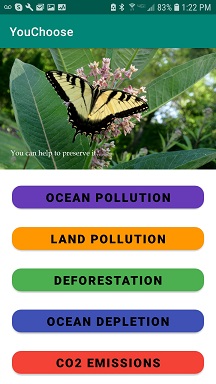
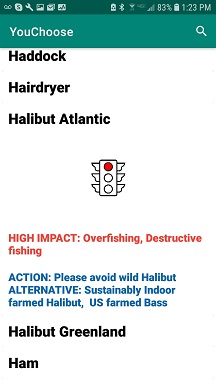
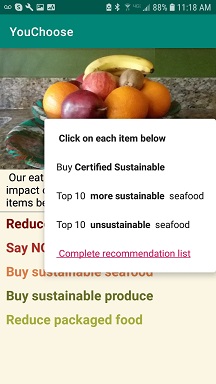
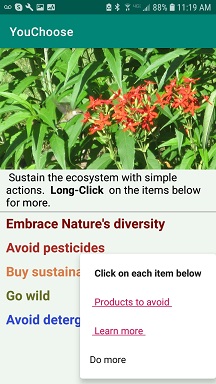
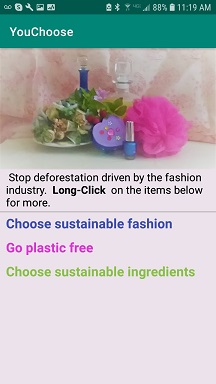
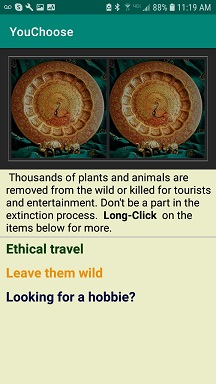
At the moment the app comprises three main sections: The Did you know? section contains an overview of the most pressing sustainability issues and provides links to reputable web sites for people who wants to know more. A Searchable database lists about 200 commonly used products. Each product has an environmental impact rating (High, Medium, Low), a brief explanation for the rating, and suggested sustainable alternatives. I think this is important because sometimes we think we have no alternatives, but in reality, it is not always the case. A Take Action section provides practical tips in many areas of our everyday lives: Food, Home and Garden, Beauty and Fashion, Travel. The section gives quick lists of sustainable and unsustainable products and practices in addition to links to complete lists from other web sites.
Why do I think this app can be useful
First of all, the information provided in the app is generally available on the internet, however it takes a lot of time and dedication to browse web sites looking for specific information about which products and practices are sustainable. In other words, because companies put a lot of efforts into hiding the harmful consequences of their products on the planet, it takes a conscious act of the will to find which products cause environmental damage, and not everybody has the time or the dedication to do that.
To provide a practical example, if we go to a furniture store to buy fancy furniture for our home, we don’t think of researching which woods are sustainably harvested before we go. When we are at the store and we see beautiful furniture made of exotic wood it would be nice to have that information readily available on the app so we can quickly check if Brazilian cherry, to mention one, is an endangered tree and we can also ask appropriate questions about the provenance and certifications of the wood. I wish I had this app available a few years ago when I went to buy a dining set at a furniture store. I asked the shop assistant about the provenance of their wood, but she couldn’t tell me. If I had the app at that time, I could have checked the sustainability of that specific type of wood. Similarly, at a restaurant or grocery store, we can quickly check the sustainability of the fish on the menu using links provided in the app. I think making this information readily available can help people to become more conscious about our climate and environmental footprint.
Take Action Section: Food
The first item in the “Take Action” section of the App is about our food habits. It is straightforward to say that eating less meat is probably the single most important step we can take to reduce our carbon footprint and help to stop deforestation. The app provides links to a few websites with meatless recipes. We can all start with one day of the week and add more days as we become more comfortable with more foods and recipes. This was the first step I took myself many years ago and I must say I never looked back. It is amazing to see how reducing meat will inspire you to try new varieties of foods and new recipes. You can check out the recipe category in this blog and hopefully we’ll have more contributions on this topic. The food section of the App also provides lists of the least and most sustainable fish and vegetables. The second fundamental step we can take to stop deforestation is to reduce our involuntary dependence on palm oil. On this front it is fundamental to read the ingredients and simply refuse to place in your shopping cart items that contain palm oil. Easy enough right? The reality is far from easy; I have started on this arduous path and hope to have more posts on this topic as we go, detailing the obstacles found and offering alternative solutions. For those who would like to embark on this journey, the app provides initial help, with a link that explains the relevance of the issue, lists of foods where palm oil is found, and alternatives. Perhaps this blog could become an aggregation point where we can initiate concerted actions to call on food producers.
Take Action Section: Home and Garden
In the home and garden section there is plenty of information, tips, and links to sustainable gardening practices including how to easily reduce the amount of lawnwithout digging and quick lists of easy native plants. A link to the Xerces Society provides information on garden products to avoid so it can be easily accessed when we are in the store choosing which products to buy. Although I do understand that occasionally we may have no choice, too many times home improvement stores have become chemical depots where we can buy all sort of poisons to kill plants and animals for no real reason. The environmental consequences of these products are far reaching, hopefully the app can provide information and alternatives. There are also lists of easy native plants for those who would like to try native gardening. In future posts I plan to provide detailed accounts of my attempts at more sustainable garden practices and look forward to receiving many contributions on this topic as well.
The app doesn’t limit to gardening practices, it also provides a quick list of unsustainable woods in case we need to buy furniture for the home, and a link to the Rainforest Relief complete list of woods to avoid. The home and garden section also contains a list of ingredients found in cleaning products and laundry detergents that hide the presence of palm oil and provides alternative ways of making your own dish soap. This is a difficult topic that will be addressed more in this blog.
Take Action Section: Beauty and Fashion
I must confess I knew very little about the impact of the beauty and fashion industry on the environment and was horrified when I found out that some of the products present in my bathroom cabinets contained palm oil and other chemicals. My first step in this department was to eliminate leather items from my purchases as much as I could. I found some great links to web sites that provide very good information on the topic, especially on which fabrics are more sustainableand I linked them to the app. On the beauty topic the app addresses two ways in which our habits are unsustainable: the use of palm oil and other chemicals in beauty products and the use of plastic bottles and packaging. A list of top ingredients to avoid when purchasing beauty products is provided for easy referenceso that it can be easily consulted when inside a store. I addition there are some ideas on how to reduce plastic by using zero waste soap bars to make your own liquid soap instead of buying bottled products.
Take Action Section: Travel and Hobbies
Finally, the travel and hobbies section of the app helps us to understand the environmental impact of our travel with links to information and lists of activities and products that are contributing to deforestation and extinction of species. I hope that increased awareness of the issues will make us think twice about engaging in purchases or entertainments that are directly responsible for much destruction and suffering.
I hope this overview of the app arouse your curiosity enough that you will want to try it. I value feedback and collaborations. If you think that the app is useful, and you would like to contribute to it please let me know. Also, if you find useful information on the websites linked and approve of the work carried by the organizations please consider getting involved: Wait no longer Earth needs you!!
YouChoose App Privacy Policy
The YouChoose App does not ask, store, collect or share any public or private information about users.
The main ingredients of this recipe are generally sustainable. You can adjust the ingredients to suit your taste. Below are some additional tips to go more sustainablefor those who have the time and availability . Fresh, organic spinach are the most sustainable choice. Regular spinach use a fair amount of pesticides and with the frozen choice comes the plastic bag. The same can be said for the ready made broth that usually comes in a non-recyclable container.
Ingredient
More Sustainable
Less Sustainable
Cheese Spinach Vegetable Broth Onion
Avoid Organic/Fresh Home made/buillon No plastic bags
Parmesan sprinkle Regular/Frozen From a box In plastic bags
Useful things to have ready
Vegetable broth can be prepared anytime and kept in the freezer in a glass jar (click here to see how to prepare vegetable broth). I used to find the vegetable buillon cubes but can’t find those anymore.





 You Choose