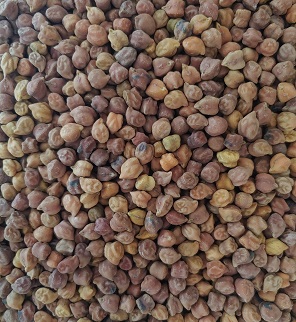
Black chickpeas spread

Reduce meat consumption by switching to a diverse, plant-based diet. This delicious recipe is based on chickpeas, a legume full of nutrients and a non-destructive crop that is actually good for the Earth. This recipe is very similar to hummus, but it doesn’t use tahini.

Sustainability tips:

Chickpeas are a sustainable crop that requires little water, is low in calories and generally healthy. Black chickpeas are not always available in grocery stores, but they can be found in ethnic stores such as Indian grocery stores. The variety used here is more of a brown color. Regular chick peas can also be used for this recipe, however I recommend the black variety if available.

Remember that supporting organic and sustainable produce goes a long way to reduce harmful pesticide use. I also suggest to avoid produce in plastic bags and to bring your own reusable bags to help reduce the amount of plastic dispersed in the environment. I can send you free cotton grocery and produce bags entirely upcycled from old fabric. Just contact me if you need any.

Useful things to have ready

Rinse and soak the chickpeas overnight. Drain them and cook them in the pressure cooker until soft. In my pressure cooker it takes about 12 minutes.
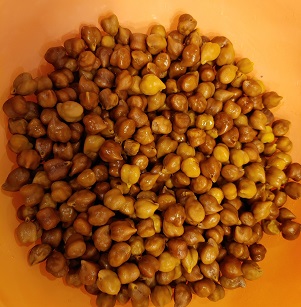
These are the black chickpeas after they have been soaked and cooked

Preparation time: about 20 minutes

Ingredients (3-4 people)

Ingredients can be adjusted based on personal preferences. With the suggested proportions one gets a flavorful spread, but not too strong in garlic or pepper. One can also adjust the amount of oil to suit personal preferences.

  • 3-4 fistful of black chickpeas
  • 2-3 cloves of garlic
  • 1/2 red pepper
  • 1/2 teaspoon of cumin powder
  • Red chili (optional)
  • 3 tablespoons of olive oil
  • 1 tablespoon of lemon juice
  • 3 tablespoon of water
  • Salt

Procedure

  • Rinse the soaked black chickpeas, drain them and cook them in the pressure cooker until soft.
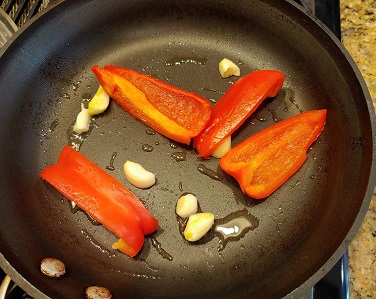
  • While the chickpeas are cooking, place a tablespoon of oil in a pan and roast the red pepper
  • Roast the garlic
Roast red pepper and garlic until soft
  • Place the cooked chickpeas in a food processor, a blender, or in a pot where you can blend them by hand
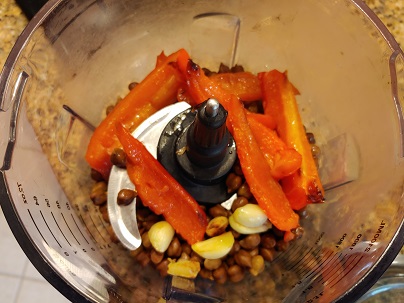
Blend all ingredients together
  • Add the roasted pepper and garlic
  • Add cumin powder, red chili, lemon juice, olive oil, salt, and enough water to blend (2-3 tablespoon of water).
  • Blend until well smooth
Blend until the spread is smooth and creamy

You can eat this spread as appetizer or a snack, on crackers or bread, or with vegetables.
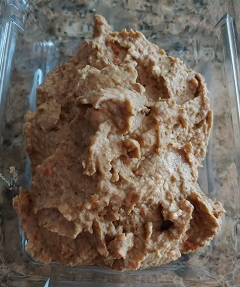
Ready!

Enjoy!

Did you like this recipe? Share it and spread the word.

Help reduce meat consumption! If you have a vegetarian recipe you would like to share please email me at info@choosesustainable.org and I’ll post it on this blog.

Still undecided? Read here about the destructive impact of the meat industry on forests.

Eyes on the Earth: The data that support climate models

Welcome to YouChoose, a blog about individual climate action.

With all the confusing information we read every day from the most diverse sources we may wonder how do we know that human activities are causing changes in the climate. I am posting here a link to the European Space Agency (ESA) web site that nicely summarizes decades of satellite observations of the so-called essential climate variables that are the indicators of change in the planet’s ecosystems.

What do satellite data tell us? See here in the ESA web page “Climate Change: The evidence from Space” how satellites monitor our Earth and provide long term continuous record of the changes happening over time. One important piece of information tells us that data from space are in agreement with climate projections from the warming scenarios provided by the IPCC, giving us some confidence that projected warming effects are realistic.

This is worrisome because the latest IPCC AR6 Synthesis report released in March 2023 provides a glimpse in possible future scenarios caused by a global temperature increase.

What can we do as individuals?

The IPCC report lists stopping deforestation, reforestation, and reconversion of degraded ecosystem among the most impactful mitigation strategies. Agriculture and livestock farming are major contributor to greenhouse gases and loss of biodiversity; reduce meat consumption and avoid using products that cause deforestation such as meat, palm oil, unsustainable sourced cocoa, and tropical woods. Urge your governments to take action against deforestation and loss of biodiversity.

Share this post with your friends and take action against deforestation and the destruction of the Earth ecosystems!

Actions and News: May 22 was international day of biodiversity

Welcome to YouChoose, a blog about individual climate action.

May 22 was international day of biodiversity.

Read the World Economic Forum Report on the global state of biodiversity and how loss of species can be reversed.

Deforestation is one of the main causes of biodiversity loss, for this reason the European Union last month introduced a ban on products from recently deforested areas. I doubt this ban will be easily enforceable. The US is taking steps to halt deforestation, restore habitats, and restore the great biodiversity of the North American ecosystem. Read from the WWF which actions have been pledged by the current administration. Will we go from words to deeds? We need to make our voice heard wherever we are and urge our governments to act. If you are in the USA please go to The Nature Conservancy petition page and tell congress to pass the Recovering America’s Wildlife Act

What else can we do as individuals?

Keep the pressure on! Think about how much forests and biodiversity mean to you and do your part to end deforestation by boycotting products that are the main drivers of destruction: cattle and livestock industry (which also drives conversion of forests to soy plantations), palm oil, cocoa, timber from old growth forests and endangered trees. The loss of even one species can not be undone. Do your part, stay informed, look for the provenance of what you buy and avoid products from high risk companies and locations.

If you liked this post please share it!

Actions and News: Tell the Biden administration to support an end to plastic

Welcome to YouChoose, a blog about individual climate action.

The second session of the UN meeting on plastic pollution is scheduled for the end of May 2023. The first session took place in December 2022. The goal is to reach a binding agreement between nations to stop plastic pollution on land and oceans.

If you are not convinced of the urgency of the problem, please read more on the WWF plastic initiative and learn how our oceans are flooded with tons of plastic every hour.

Make your voice heard, ask the Biden administration to support strong measures to end plastic pollution by signing the GREENPEACE PETITION

Please share the link.

Actions and News: March 21 was international day of forests

Welcome to YouChoose, a blog about individual climate action.

Forests support the very existence of our planet. They sustain biodiversity, provide us with much needed precipitation, clean air, water, and so much more. Deforestation is an existential threat to our planet.

Read here in the UN page the meaning of this day and why is vital that we stop deforestation and restore what was destroyed.

Keep the pressure on! Think about how much forests mean to you and do your part to end deforestation by boycotting products that are the main drivers of destruction: cattle and livestock industry (which also drives conversion of forests to soy plantations), palm oil, timber from old growth forests and endangered trees.

Do you want to meet one of the many forgotten victims of deforestation? Get to know one of the most endangered primates in this article from the Palm Oil Detectives.

If you liked this post please share it!

Actions and News: Tell the Biden administration to stop deep sea mining

Welcome to YouChoose, a blog about individual climate action.

The 28th Session of the International Seabed Authority started on March 7th in Jamaica. If you don’t know what this is you are probably not alone. Unfortunately these are the entities that regulate the future of our oceans based on commercial interests. We need to show that we are aware of what is happening and we have an opinion.

Keep the pressure on!

Click HERE to sign the Greenpeace petition and tell the Biden administration to ban deep sea mining.

If you liked this post please share it!

Actions and News: Please urge Congress to reintroduce the Recovering America’s Wildlife Act (RAWA)

Welcome to YouChoose, a blog about individual climate action.

Do you know that the great American prairies are among the most endangered ecosystem on Earth? Less than 1% of them are left!

Last year there was great hope that Congress would pass legislation to help the recovery of America’s wildlife and biodiversity. Unfortunately that didn’t happen. There is a chance to urge lawmakers to reintroduce the bill and people’s support is the biggest voice we have to make ourselves heard.

Please add your name to the Nature Conservancy petition and urge Congress to reintroduce the Recovering America’s wildlife Act.

https://preserve.nature.org/page/86239/action/1

Please share this post and keep the pressure on!

Actions and News: Agreement reached at the UN conference on marine biodiversity

Welcome to YouChoose, a blog about individual climate action.

An agreement was reached at the UN Fifth Intergovernmental Conference, or IGC5, to protect Oceans’ biodiversity.

Thank you to all who signed the petition. Below is the link to Greenpeace press release.

Historic UN Ocean Treaty agreed

Keep the pressure on!

Stop buying fish from grocery stores that disregard basic environmental and human right protections. Click HERE to sign the Greenpeace petition to US giant grocery store chains to stop selling tuna linked to environmental destruction.

Do you want to know where your grocery store stands in the tuna scorecard? Check out here the Greenpeace report to find out. You need to place your cursor on the image and advance the pages at the bottom of the image. The report scorecard is on page 4. Think of this report next time you want to buy tuna!

If you liked this post please share it!

Actions and News: UN conference on marine biodiversity resumes in NY

Welcome to YouChoose, a blog about individual climate action.

The UN Fifth Intergovernmental Conference, or IGC5, to protect Oceans’ biodiversity is underway in New York.

https://www.un.org/bbnj/

Here is a WWF article that explains why it is important that we protect oceans from destruction. Click on the link below to go the WWF article:

https://wwf.panda.org/wwf_news/?7704966/high-seas-treaty-2023

Grocery stores are largely responsible for relying on supply chains that disregard the environment as well as human rights.

What can we do?

We can stop buying fish from grocery stores that disregard basic environmental and human right protections. Click HERE to sign the Greenpeace petition to US giant grocery store chains to stop selling tuna linked to environmental destruction.

Do you want to know where your grocery store stands in the tuna scorecard? Check out here the Greenpeace report to find out. You need to place your cursor on the image and advance the pages at the bottom of the image. The report scorecard is on page 4. Think of this report next time you want to buy tuna!

If you liked this post please share it!