Welcome to ChooseSustainable.org where we explore ways of living sustainably. Spring is here and I would like to share my first gardening post. This is the first short post in which I present a native plant to encourage everybody to abandon our traditional way of gardening (basically a continuous fight against nature) and engage in sustainable gardening practices that nurture the ecosystem, sustain wildlife and foster biodiversity.
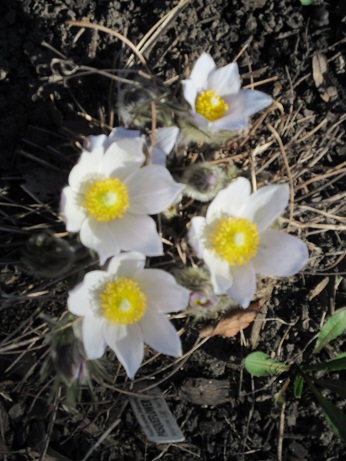
More on this later, now I want to talk about one of the first spring flower that come up in my backyard: Pulsatilla Patens (Eastern Pasqueflower).
Quick facts:
- Zones:3-6
- Bloom time: Early spring (April)
- Sun: Sunny area or partial shade
- Soil Moisture: Medium, Dry
- Aggressive: NO
- Front yard: YES
- Height: (3-4’’)
- Status: OK
- Maintenance: NONE
- Wildlife value: High
Every spring around March, after I do the spring cutting of the tall prairie plants, I anxiously await the first signs of spring in the garden. By the end of March as soon as the snow clears, I search for my beloved Pasqueflowers and feel very happy when I see them coming back, among the first to announce the arrival of spring. Pulsatilla Patens is one of the spring ephemerals. For many suburban inhabitants of the Midwest gardening season starts at the end of May, on Memorial Day, however for native gardeners the season starts much earlier, at the beginning of March. Spring ephemeral for all their understated and brief beauty play a very important role in sustaining the ecosystem and I encourage everybody to plant large amounts of these perennials. I have neglected spring ephemeral in my garden but am planning to substantially increase their number this year.
Of course, one may say we have plenty of early bloomers, daffodils, hyacinths and tulips, but none of them serves the important task that the native early spring flowers accomplish, which is to provide food to the first insects that come out of hibernation. Last year I planted a bunch more and I am hoping to see them come back this year. This little flower makes a great addition to the front yard, it is very well behaved, doesn’t spread (I wish it did) and will also go very well in the mulched area under trees.
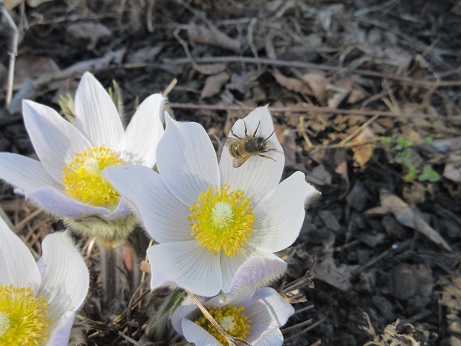
If you plant this little jewel in your yard, you’ll see early bees flocking to it when everything else is still dormant. Please make sure to purchase native flowers from nurseries that don’t use neonicotinoids and look out for the full botanical name to avoid cultivars. Contact me for suggestions on where to buy.
 You Choose