Welcome to ChooseSustainable.org a blog about sustainable choices. In this series of short posts I present a native plant to encourage everybody to abandon our traditional way of gardening (basically a continuous fight against nature) and engage in sustainable gardening practices that nurture the ecosystem, sustain wildlife and foster biodiversity. I hear sometime people worrying that native plants may look weedy in a backyard. This notion is mostly misguided, that’s why here I show native plants in a garden setting.
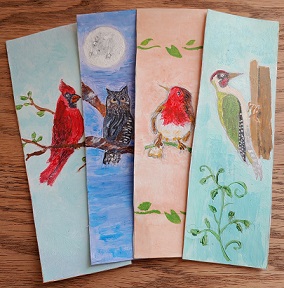
Make a New Year resolution to start a native garden and get a thank you hand-painted bookmark! See what’s available here.
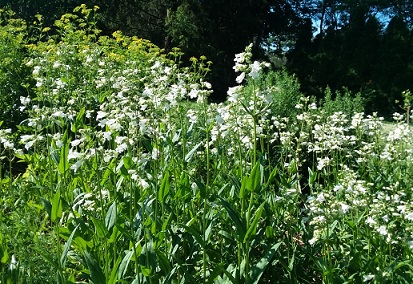
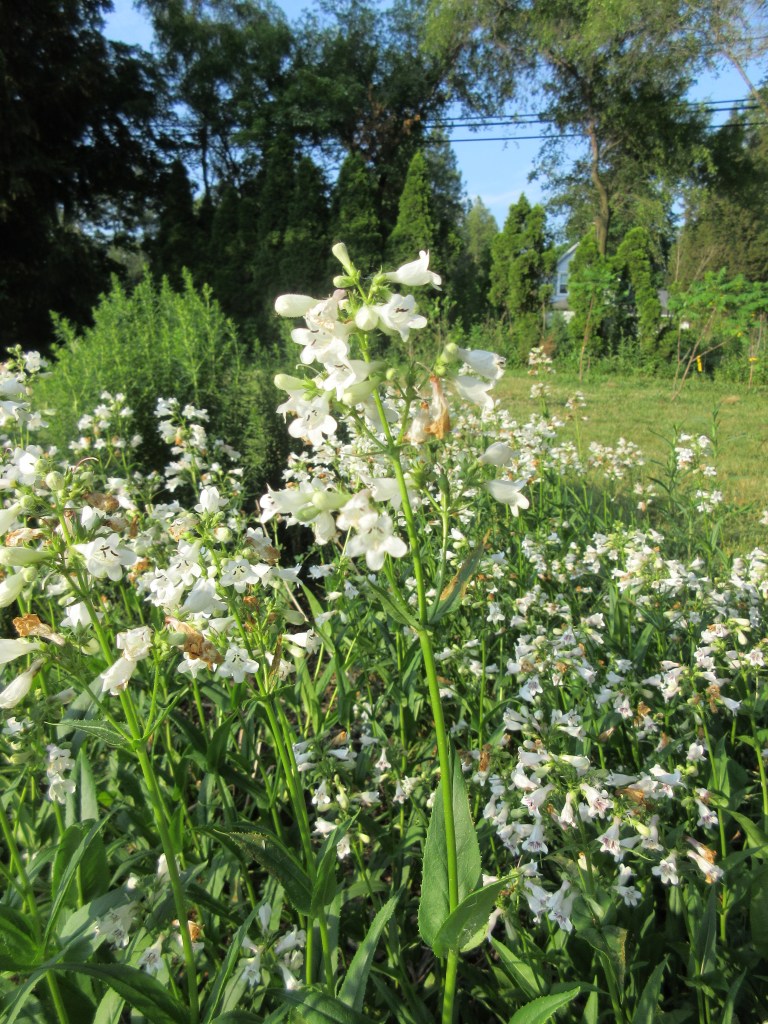
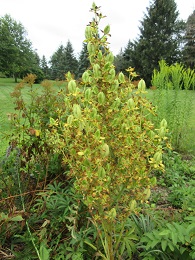
I know it’s January, but one nice thing about native gardening is that there is never a dead time. As a matter of fact, this is the time to think of spring and of the plants to add to our backyard in a few months. This spring-blooming, perennial plant provides early nectar to several species of bees and food for the caterpillars of a few moths. If you are planning a pollinator garden, this plant is an excellent starter, it is easy to grow and self pollinates extensively providing quick results while slower plants develop: Penstemon digitalis (foxglove penstemon).
Quick facts:
- Zones:4-8
- Bloom time: Early Summer (May-June)
- Sun: Full, partial
- Soil Moisture: Medium, Medium dry
- Aggressive: MODERATE
- Front yard: YES
- Height: about 4 feet
- Status: OK
- Maintenance: LOW
- Wildlife value: Medium
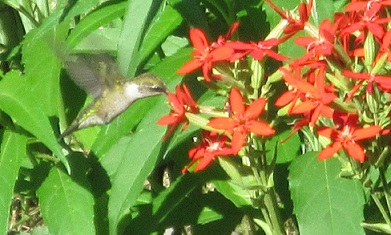
Wildlife connection: This perennial spring bloomer attracts wasps, bees, bumblebees, and some variety of moths. Some small butterflies may visit it and it also attracts hummingbirds, although I have never observed that.
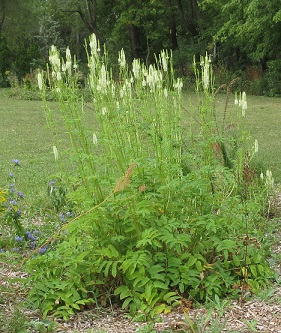
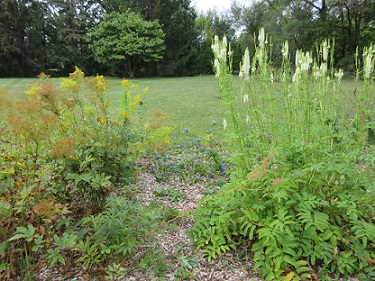
I planted about 6 or 7 small plants several years ago in a dry area of my yard. The plant is quick and easy to grow and it spreads abundantly in the assigned area. Occasionally, I also find new plants in other areas of the garden but overall it is not a very aggressive spreader. I planted this in the same area as the Golden Alexander, another aggressive self pollinating perennial. They bloom approximately at the same time and together they attract a large number of pollinators.
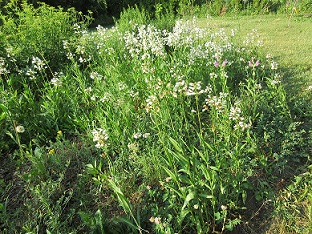
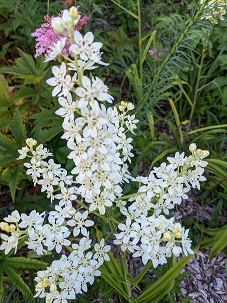
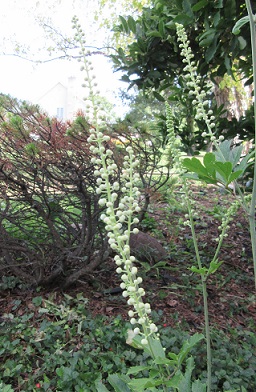
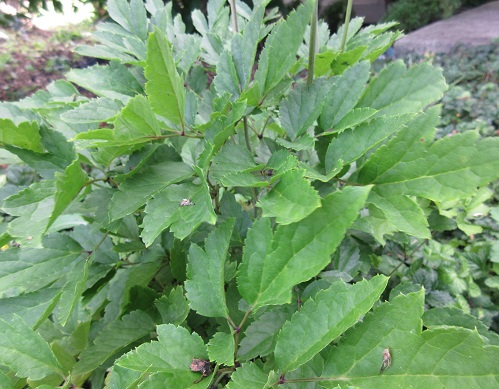
The single flowers are white and small but, as the plants expand, they provide a very attractive ensemble view that last about one month. The leaves are elongated and shiny in spring and summer and change color to red-brown in fall. I used to cut them back in the fall, but now I let them stay untouched until the next spring.
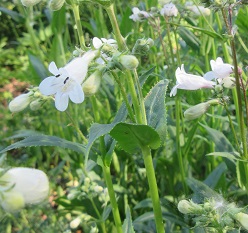
Foxglove penstemon attracts a lot of bumblebees that make their way in the tubular flowers helping with pollination as well.
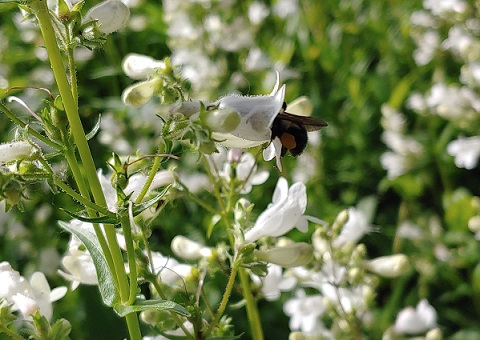
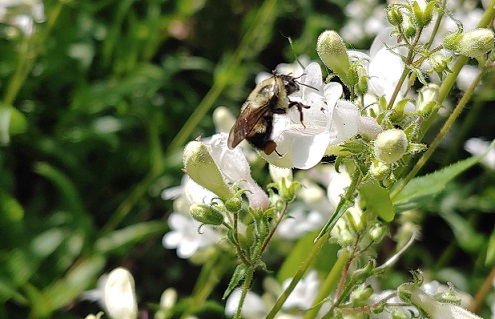
Overall the plant is really low maintenance, it is very resistant to drought and hardly needs and care besides some occasional pulling if it expands where is not wanted.
As a note I want to add here that, despite the vague resemblance in name and shape to the European Digitalis Purpurea (common foxglove), penstemon digitalis is not listed as toxic, although of course please don’t eat any part of it.
I hope you will consider this great, easy native plant for your garden this spring. Every native plant you add brings back a piece of ecosystem that is vital to biodiversity.
Would you like to talk about a native plant in your backyard? Please send me your post at info@choosesustainable.org
If you liked this post please share it!














 You Choose