Welcome to ChooseSustainable.org a blog about sustainable living. In this series of short posts I present a native plant to encourage everybody to abandon our traditional way of gardening (basically a continuous fight against nature) and engage in sustainable gardening practices that nurture the ecosystem, sustain wildlife and foster biodiversity.
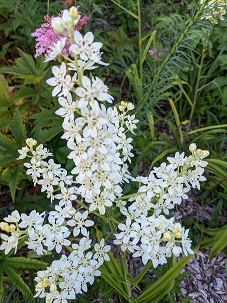
In this post I present a rare flowering plant of ephemeral beauty, that will reward your patience with a few weeks of enchanting blooms: Melanthium virginicum (bunchflower).
Quick facts:
- Zones:5-9
- Bloom time: Summer (June-July)
- Sun: Full, partial
- Soil Moisture: Medium, Wet
- Aggressive: No
- Front yard: YES
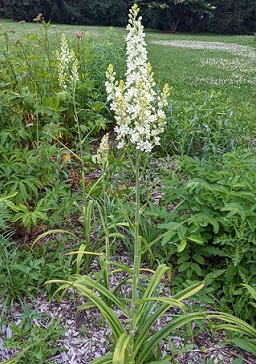
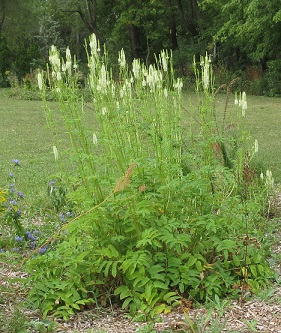
- Height: about 5 feet
- Status: Endangered in Illinois and several other states
- Maintenance: LOW
- Wildlife value: Medium
Wildlife connection: This plant attracts many small insects, including small flies, and small beetles. The plant is toxic to mammals.
It is hard to imagine that something of such a beauty can be at risk of extinction, but in fact this plant went from being threatened to endangered in the past five years. Melanthium virginicum is a slow growing plant, it will require patience, and occasional discouragement but it will come through providing an exceptional addition to the garden.
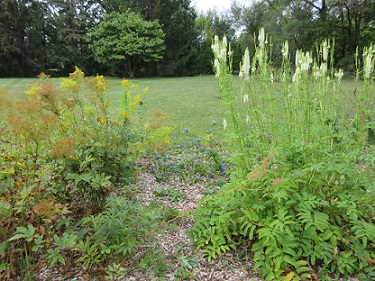
I planted eight bare roots in early spring about seven years ago. I still remember watching the light green leaves sprout in spring to quickly wilt and disappear by end of summer. The next spring they came back, briefly and again became brown and disappeared. I thought the experiment had failed, but then I saw them coming back and becoming more visible and persistent year after year. It took about six years to get the first plant to bloom. This year almost all the plants bloomed in mid July!
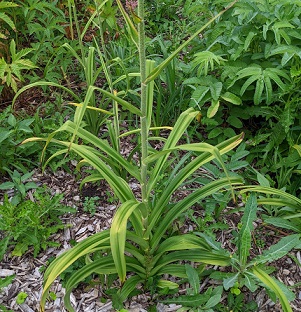
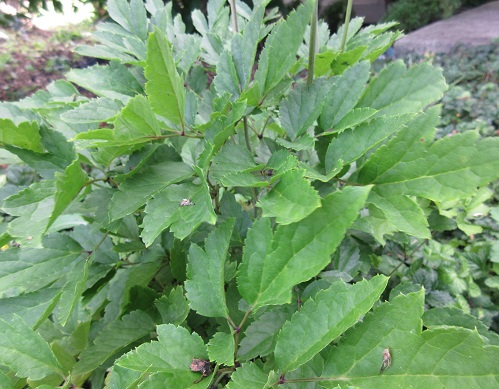
The plants develop with leaves at the base that look like those of lilies. Through the years the leaves become more abundant.
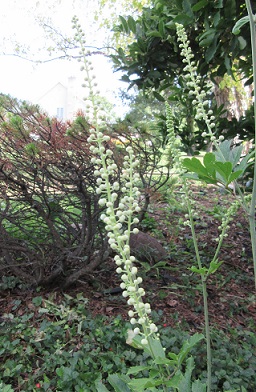
Flowers start out greenish early in the season and expand in summer with each plant developing one large bloom composed of small white flowers. Planting at least six or seven plants will provide a better effect than having just one.
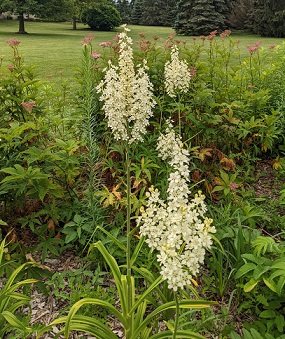
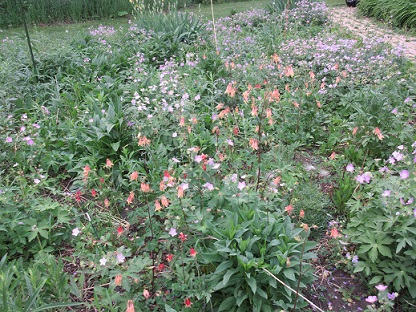
Melanthium virginicum loves to be in a rain garden or an area where water accumulates and quickly is absorbed in the ground. For this reason it goes very well with the Queen of the prairie (Filipendula rubra) another threatened wetland species that I’ll describe in a future post.
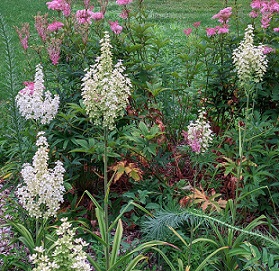
Although the bloom doesn’t last for too long, the plant still adds interest to the garden with its green seed pods that persist until early September.
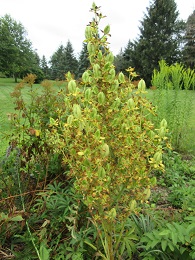
If you are a patient gardener and have a section in your yard that you are considering for a rain garden Melanthium virginicum makes a fantastic addition together with the Queen of the prairie and, for example, some ornamental grasses that help water soak underground. You will also sustain biodiversity by planting a species that is on the brink of disappearing. You can’t go wrong!
Would you like to talk about a native plant in your backyard? Please send me your post at info@choosesustainable.org
If you liked this post please share it!










 You Choose