Bean burger

Empower yourself! Free yourself from meat dependency by switching to a diverse, plant-based diet. This delicious recipe is based on beans, a legume full of nutrients and a non-destructive crop that is good for the earth. Black and pinto beans used in this recipe are good for us and for the environment. With this recipe you can enjoy a delicious bean burger without resorting to highly processed food.

Sustainability tips:

Remember that supporting organic and sustainable produce goes a long way to reduce harmful pesticide use. I also suggest to avoid produce in plastic bags and to bring your own reusable bags to help reduce the amount of plastic dispersed in the environment. I can send you free cotton grocery and produce bags entirely upcycled from old fabric. Just contact me if you need any.

Useful things to have ready

Legumes are an important component of plant-based diets. You can purchase them canned or dry. Canned legumes are more practical because you can get away with soaking them however the variety is limited and I noticed that they have lately become expensive. I usually keep canned legumes but mostly buy them dry in bulk. If legumes become part of your regular diet you may want to purchase a pressure cooker. A good pressure cooker lasts a lifetime and is useful for many purposes.

For this recipe, rinse and soak the beans overnight (or about 7 hours). This step is NECESSARY. After soaking, discard the water and rinse. Beans in general need to be fully cooked in boiling water, possibly in a pressure cooker. This step is not necessary if using canned beans, however it is good to rinse canned beans before use.

Preparation time: about 30 minutes.

Ingredients (3-4 people)

  • One fistful of black beans per person
  • 1 fistful of pinto beans
  • 1/2 onion finely chopped
  • 1 scallion or 1-2 spinach leaves (optional) chopped in small pieces
  • 1-2 cloves of garlic mashed or chopped in small pieces
  • 1-2 fistful of corn kernels
  • 2-3 tablespoons of olive oil
  • red chili pepper (optional)
  • Salt

Procedure

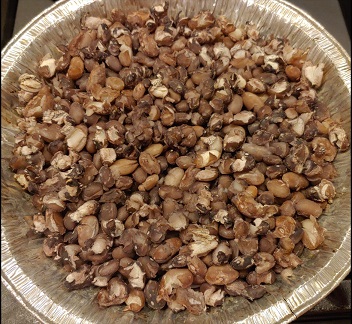
  • After soaking the beans for for at least 7 hours, drain, rinse and boil them until soft (about 13 minutes total time in a pressure cooker). This step is not necessary if you use canned beans.
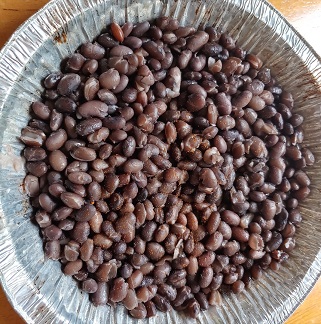
Black and pinto beans, soaked and rinsed, ready to be cooked in pressure cooker
  • Place the cooked beans in an oven-safe plate, sprinkle them with salt and keep them in the oven at 375 degree F (190 C) for at least 15 minutes. This step removes the excess water so that they stick together once blended.
  • While the beans are in the oven sautee onion and garlic in a little oil until golden
  • Add chopped scallions (or spinach leaves) and cook until tender, if using spinach make sure to use only a few dry leaves to avoid adding moisture
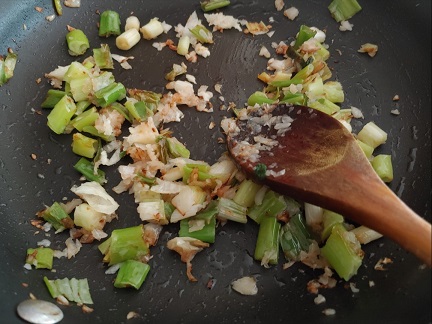
Cook onion, garlic, and scallions until tender
  • Add corn, cook until tender and then add the beans
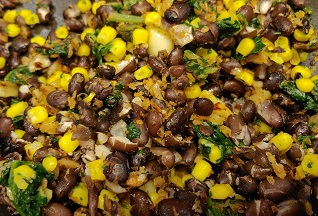
Cook for a few minutes without adding any water
  • Add salt and red chilies (optional)
  • Place the ingredients in a cup and coarsely blend with an immersion blender, add one spoon of olive oil
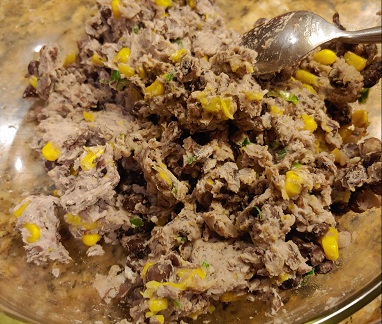
Coarsely blend ingredients
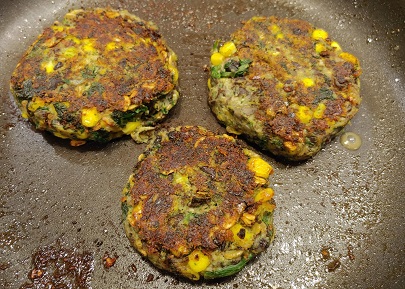
  • Prepare the burgers; they should stick without the need for a binder
  • Heat a skillet with a few drops of oil. Cook the burgers for a few minutes on each side.
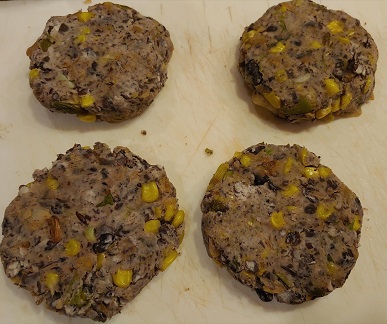
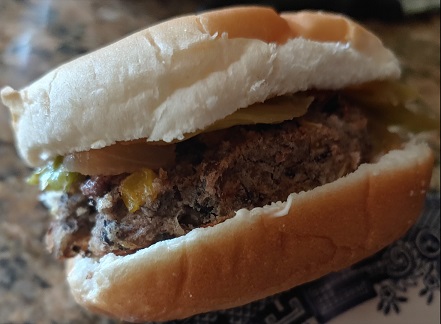
Enjoy your bean burger with any addition of your choice!

Enjoy!

Help reduce meat consumption! If you have a vegetarian recipe you would like to share please email me at info@choosesustainable.org and I’ll post it on this blog.

Still undecided? Read here about the destructive impact of the meat industry on forests.

The YouChoose App contains links and information about sustainable food choices with a searchable database of common food items.
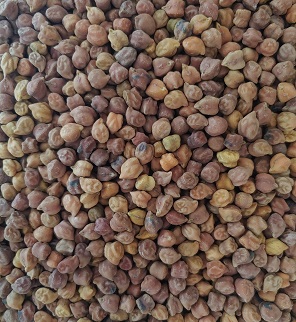
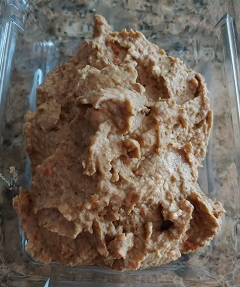
Black chickpeas spread

Reduce meat consumption by switching to a diverse, plant-based diet. This delicious recipe is based on chickpeas, a legume full of nutrients and a non-destructive crop that is actually good for the Earth. This recipe is very similar to hummus, but it doesn’t use tahini.

Sustainability tips:

Chickpeas are a sustainable crop that requires little water, is low in calories and generally healthy. Black chickpeas are not always available in grocery stores, but they can be found in ethnic stores such as Indian grocery stores. The variety used here is more of a brown color. Regular chick peas can also be used for this recipe, however I recommend the black variety if available.

Remember that supporting organic and sustainable produce goes a long way to reduce harmful pesticide use. I also suggest to avoid produce in plastic bags and to bring your own reusable bags to help reduce the amount of plastic dispersed in the environment. I can send you free cotton grocery and produce bags entirely upcycled from old fabric. Just contact me if you need any.

Useful things to have ready

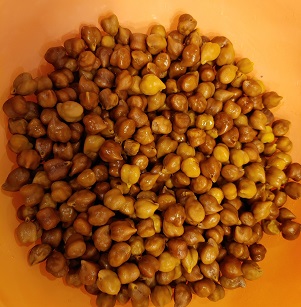
Rinse and soak the chickpeas overnight. Drain them and cook them in the pressure cooker until soft. In my pressure cooker it takes about 12 minutes.

These are the black chickpeas after they have been soaked and cooked

Preparation time: about 20 minutes

Ingredients (3-4 people)

Ingredients can be adjusted based on personal preferences. With the suggested proportions one gets a flavorful spread, but not too strong in garlic or pepper. One can also adjust the amount of oil to suit personal preferences.

  • 3-4 fistful of black chickpeas
  • 2-3 cloves of garlic
  • 1/2 red pepper
  • 1/2 teaspoon of cumin powder
  • Red chili (optional)
  • 3 tablespoons of olive oil
  • 1 tablespoon of lemon juice
  • 3 tablespoon of water
  • Salt

Procedure

  • Rinse the soaked black chickpeas, drain them and cook them in the pressure cooker until soft.
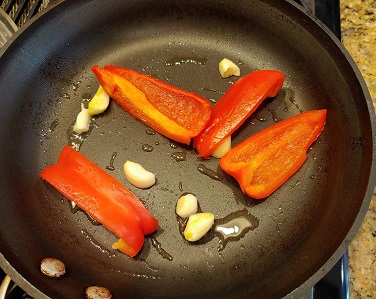
  • While the chickpeas are cooking, place a tablespoon of oil in a pan and roast the red pepper
  • Roast the garlic
Roast red pepper and garlic until soft
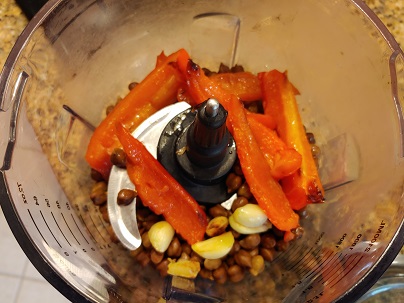
  • Place the cooked chickpeas in a food processor, a blender, or in a pot where you can blend them by hand
Blend all ingredients together
  • Add the roasted pepper and garlic
  • Add cumin powder, red chili, lemon juice, olive oil, salt, and enough water to blend (2-3 tablespoon of water).
  • Blend until well smooth
Blend until the spread is smooth and creamy

You can eat this spread as appetizer or a snack, on crackers or bread, or with vegetables.

Ready!

Enjoy!

Did you like this recipe? Share it and spread the word.

Help reduce meat consumption! If you have a vegetarian recipe you would like to share please email me at info@choosesustainable.org and I’ll post it on this blog.

Still undecided? Read here about the destructive impact of the meat industry on forests.

Sprouted lentils with coconut

Reduce meat consumption by switching to a diverse, plant-based diet. This delicious recipe is based on lentils, a legume full of nutrients and a non-destructive crop that is actually good for the earth.

Sustainability tips:

Lentils are a sustainable food, low in calories and rich in fibers and vitamins. Read about the properties of lentils from WebMD.

Remember that supporting organic and sustainable produce goes a long way to reduce harmful pesticide use. I also suggest to avoid produce in plastic bags and to bring your own reusable bags to help reduce the amount of plastic dispersed in the environment. I can send you free cotton grocery and produce bags entirely upcycled from old fabric. Just contact me if you need any.

Useful things to have ready

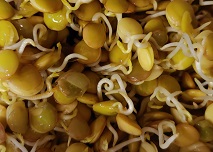
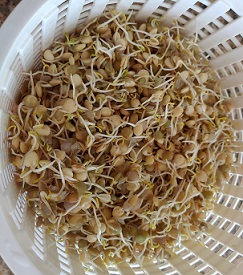
Rinse and soak the lentils overnight. Drain the lentils and let them stay in a container, covered for about 2 days, rinsing and draining them at least once a day. On the second day the lentils will be sprouted.

I suggest to steam the sprouted lentils in the microwave or boil them for 5-10 minutes in lightly salted water. This will make them softer.

Soak lentils overnight or for ~ 7 hours

Preparation time: about 15 minutes plus 3 days to sprout the lentils

Ingredients (3-4 people)

  • Sprouted lentils (about one fistful of dry lentils per person)
  • 1/2 onion finely chopped
  • 1/2 teaspoon of turmeric
  • 1 tablespoon of unsweetened shredded dry coconut (optional)
  • Crushed red chili (optional)
  • 2-3 tablespoons of oil
  • Salt

Procedure

  • Rinse the soaked lentils, drain them and keep them in a pot with closed lid.
  • Check the lentils daily, making sure they don’t become too dry, you can rinse them and drain them once a day.
  • The lentils should sprout in about 2 days.
These are the sprouted lentils after about 2 days
  • Option 1: Place sprouted lentils in a pot, cover them with water, add a little salt and bring to a boil for about 10 minutes. This will soften them.
  • Option 2: Steam sprouted lentils in the microwave for 6-7 minutes.
  • Heat up the oil and add chopped onions.
  • Sautee onions until gold add turmeric and red chili (optional)
Sautee onions and turmeric
  • If desired you can add the coconut powder at this point and sautee for 2 minutes.
Optional step: Add coconut powder

Add steamed (or boiled) lentils and sautee for 5 minutes.

Ready!

Enjoy!

Help reduce meat consumption! If you have a vegetarian recipe you would like to share please email me at info@choosesustainable.org and I’ll post it on this blog.

Still undecided? Read here about the destructive impact of the meat industry on forests.

The YouChoose App contains links and information about sustainable food choices with a searchable database of common food items.