Eggplants are one of those love/hate vegetables that sometime one doesn’t know what to do with. This recipe brings out a nice flavor and it is quite easy to make. The roasting can also be done in the oven, but it takes much longer.
Sustainability tips:
This recipe requires a few spices that are needed to add some extra flavor to the eggplant. For this recipe I usually choose mid size eggplant so it takes less time to cook them. Make sure to choose eggplants that are hard and shiny to reduce the chances that they are bitter. You can adjust the ingredients to suit your taste. As always I’ll mention here that supporting organic and sustainable produce goes a long way to reduce harmful pesticide useand avoiding produce in plastic bags helps reduce the amount of plastic dispersed in the environment.
Useful things to have ready
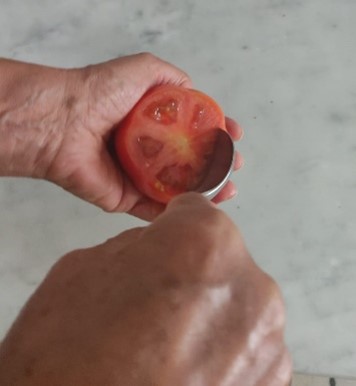
Eggplants can be roasted in advance and you will need one peeled and chopped tomato. I find it useful to keep chopped onions in the refrigerator.
Preparation time: 45 minutes
Ingredients (3-4 people)
2 medium eggplants
half onion chopped in small pieces
1 garlic clove smashed
2-3 curry leaves (optional)
1 tomato chopped in medium pieces
1/2 teaspoon turmeric powder
1/2 teaspoon garam masala (optional)
1/2 teaspoon coriander powder
1 green chili (optional)
1/2 teaspoon mustard seeds
1/2 teaspoon cumin seeds
Salt
One table spoon of vegetable oil
Procedure
Wash the eggplants, cut one or two slits and wrap them in aluminum foil
Place an oven rack on the stove top and put the eggplants on the flame
Cook the eggplants turning them until they feel soft (about 15-20 min depending on the size)
Put eggplants on the flame
Eggplants roasted
Remove from heat and let them cool off
While the eggplant are cooling off heat oil in a pan
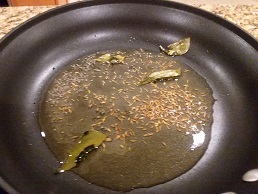
When the oil is hot add the mustard seeds, cumin seeds, curry leaves
cumin seeds, mustard seeds and curry leaves
Add coriander powder
Add onions and cook 3-4 min
Add mashed garlic and green chili
Add turmeric powder and garam masala
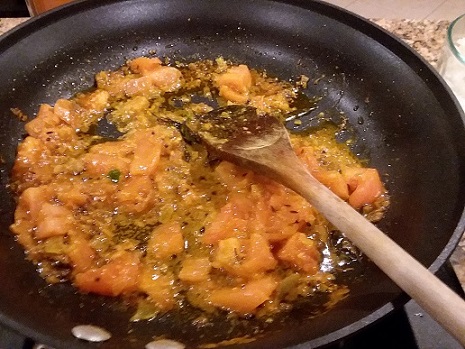
Add tomato and cook until is soft (4-5 min)
Add tomatoes last and cook a for few minutes
At this point you can turn off the heat and peel the eggplants. The peel should come off easy.
Cut the cooked eggplants in small pieces and mash them with a spoon or fork
Turn the heat back on and add the eggplants to the spices and tomatoes
Cook for 5 min
Add mashed eggplants
Add okra or a legume to complete
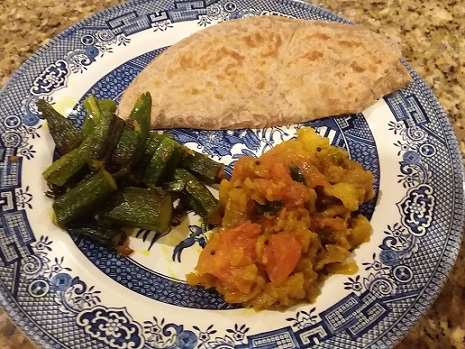
You can accompany this with okra and whole wheat bread.
Help reduce meat consumption! If you have a vegetarian recipe you would like to share please email me at info@choosesustainable.org and I’ll post it on this blog.
The YouChoose App contains links and information about sustainable food choices with a searchable database of common food items.
This delicious Italian recipe requires few simple ingredients such as rice, tomatoes, onions and some herbs. It also requires only one pot because everything cooks together in the oven. Choose organic vegetables if possible and remember to take your own bags to the grocery store to avoid plastic bags for the produce. I really want to thank Ermanno and Simona for the work they did putting together the pictures and the procedure. Collaborations really help a lot to keep the blog going.
The procedure seems elaborate, but it is really quite simple. If I could get it right the first time, anybody can do it.
Preparation time: 15 minutes + 45 minutes in the oven
Ingredients (3 people)
3 large tomatoes
5-6 basil leaves
Small bunch of parsley
1 garlic clove
Arborio (o Carnaroli) rice – This is available in general grocery stores
Extra virgin olive oil, salt, black pepper
1 potato
1 sweet onion
Procedure
Slice the cap from the tomatoes
Remove the top part of the tomatoes and keep it aside
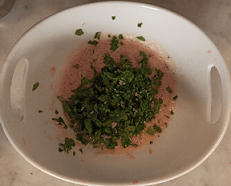
Finely chop basil, parsley and garlic
Basil, parsley and garlic finely chopped
Empty the tomatoes with a spoon.
Make sure not to break the external skin of the tomatoes.
Place the tomato pulp in a centrifuge or a blender to make a nice smooth tomato juice. Keep a small amount (half cup or less) of the juice on the side.
In the larger part of the tomato juice add the chopped herbs, 2 spoons of olive oil, salt and pepper.
Add one tablespoon of uncooked rice for each tomato plus one extra tablespoon.
Add herbs and rice to the tomato pulp
Place the tomatoes on a baking sheet, add one basil leaf and little salt at the bottom.
Fill up the tomatoes (up to 3/4 of capacity) with the rice and tomatoes mixture.
Fill the tomatoes with the rice and sauce
Place the caps back on the tomatoes.
Now add the sliced potato, sweet onion and (optionally) one more spoon of rice to the tomato juice that was set aside and place it on the baking sheet between the tomatoes.
Place in the hot oven for at least 45 minutes at about 360 F (180 C) until the rice is entirely cooked.
Cooked tomatoes out of the oven. You can let it broil for a few minutes depending on your preferences
If you would like to share vegetarian recipes please email me at info@choosesustainable.org and I’ll post them on this blog.
The YouChoose App contains links and information about sustainable food choices with a searchable database of common food items.
If you like this recipe please share it and help reduce meat consumption!
Welcome to YouChoose, a blog where we explore ways of living sustainably. This week I would like to share some thoughts about reducing meat consumption.
Today, the link between meat consumption, deforestation, and emission of greenhouse gases is well established. Therefore one of the most important steps we can take for the benefit of our Earth is to eliminate meat from our diet. Legumes are among the most Eco friendly food we can consume and they are an important source of proteins. They are also beneficial for the soil and don’t require excessive water use.
Sometime when we think of legumes we get discouraged because we have to remember to soak them and need time to boil them. While this is true for some, not all legumes require long preparation time. Additionally it is possible to soak the desired amount in advance and keep it for one day or two. Soaking is an important step necessary to make legumes more digestible and eliminate anti nutrients. If we are pressed for time some limited variety of legumes are ready available in cans. This is very helpful, however there is a much greater variety of dry legumes so I suggest to explore ethnic grocery stores and see what is available.
Another frequent complaint is that legumes are hard to digest and make us uncomfortable. Again, this may be true of some types such as red or garbanzo beans, and it is especially true if we are not used to them. Here are some steps that can help us to to become more accustomed to the regular use of legumes.
Start with the varieties that are easier to digest: Green and yellow lentils, split peas, mung beans.
Introduce harder legumes (beans, garbanzo) in small amount at the beginning.
Soak the harder beans for 8-12 hours. Lentils don’t need to be soaked, however soaking them even for 2-3 hours makes them more digestible.
Cook the legumes thoroughly. They should be soft but not mushy.
Soak them when you remember, you can use them later.
In this post I’ll talk about a variety of easily available legumes we can quickly incorporate in our daily meals and will provide approximate preparation time. The following is the basic procedure, once cooked legumes can be used in recipes to make delicious snacks, soups, and side dishes.
Lentils
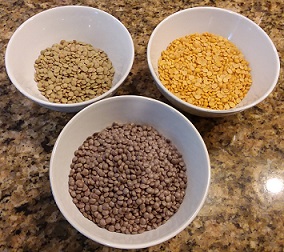
Lentils are probably the easiest to start with. They come in many types, green, yellow, brown. They make a great side dish, soup or can also be used to make fritters. They are fairly easy and quick to prepare and they don’t need soaking if there is no time. Lentils, like all legumes, should be rinsed and checked before use. Green and yellow lentils can be soaked for 3-4 hours or boiled directly in a regular pot with water. They are ready in 15-20 minutes. Brown lentils can be soaked overnight (but it is not necessary) and pressure cooked for about 8 minutes. Brown lentils can be cooked in the pressure cooker directly with other vegetables so they make a very quick meal. I plan to post some delicious and quick lentil recipes in the recipe section of this blog.
Green, yellow, and brown lentils are great starters to get yourself used to legumes. They are easy to prepare and can be used in a variety of dishes.
Garbanzo beans
I mostly use two types of chick peas: white and black. Garbanzo beans should be washed and soaked for at least 8 hours as they are generally harder than lentils. The black variety requires at least 12 hours. They can be cooked in the pressure cooker for about 15 minutes and kept in the refrigerator for 1 or 2 days ready to use. Garbanzo beans make an excellent salad addition for lunch, but are also very good in soups and can be used as a side dish, cooked with spices and tomatoes. Garbanzo beans can also be used to make hummus to use as snack or in appetizers.
Garbanzo beans are excellent cooked with a variety of spices or in salads
Mung beans
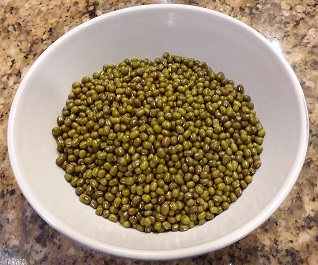
There are several types of mung beans (red, green,black). They make an excellent lunch, snack, or side dish. The best way is to soak them overnight before sprouting or cooking. Check out the easy sprouting procedure in the recipe section. Once soaked, cover the beans with water and bring to a gentle boil for about 15 minutes, make sure not to overcook them. They need to be just soft, but not mushy. Once boiled they can be cooked with spices and peanuts to make a great lunch or snack.
Mung beans cook very quickly after they have been soaked for 8 hours and don’t require a pressure cooker.
Beans including dried Lima beans
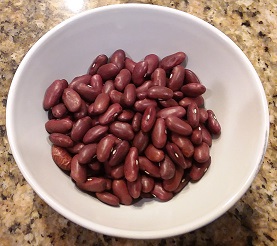
There is a great variety of beans, large, small, red, white, and more. Usually beans need to be soaked overnight and cooked for about 15 minutes in the pressure cooker depending on the beans and the cooker. Some can be quite hard, therefore the soaking and cooking part is important and should not be skipped. Beans can be added to salads, used in soups, or cooked in spices. One can get used to them starting with small portions.
Beans require soaking at least 8-12 hours and proper cooking to be more digestible
Peanuts
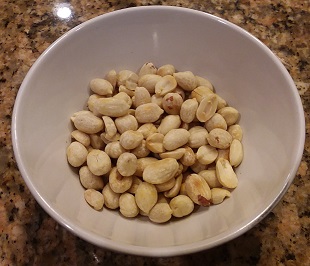
At last I’ll mention here peanuts. Although they are legumes, they are more similar to nuts. When lightly roasted they make a nice snack or can be used in small amount in a variety or recipes.
Peanuts are a sustainable food that can be added in small amount to dishes or used as snack
I hope this brief overview of some common legumes inspired you to include more of them in your daily diet. Including more legumes and less meat is one of the most important steps we can take to reduce greenhouse gases, reduce deforestation, and help our Earth.
The YouChoose app provides several links and information on global food issues and lists of sustainable and unsustainable foods including fish and vegetables, hopefully the information is useful.
In this blog there is a recipe section where I share meat-free recipes to help out. If you want to share your sustainable recipes to help others, I’ll be glad to post them in this blog.
Do you want to share your progress on eliminating meat from your diet? Send me an email at info@choosesustainable.org and I’ll add it to this blog.
This recipe requires few ingredients such as basmati rice, vegetables of choice, turmeric, and and few spices that can be found in Indian stores or general grocery stores, depending on where you live. You can adjust the ingredients to suit your taste.
Useful things to have ready
I suggest to rinse and soak the rice for about half hour before cooking, however it is not required.
Preparation time: 30 minutes
Ingredients (3-4 people)
Basmati rice (2-3 fist full are enough for 3-4 people)
One laurel leaf
4 peppercorns (black whole pepper)
1 small piece of ginger root cut in small pieces
3-4 cloves
1/2 finely chopped onion
1/2 teaspoon of turmeric
1 sliced carrot
5-6 small cauliflower florets
1 fistful of green peas
1 fistful of green beans chopped in small pieces
1 small potato chopped in small pieces (0ptional)
Salt
One table spoon of vegetable oil
Procedure
Wash the rice, soak it for half hour and drain it
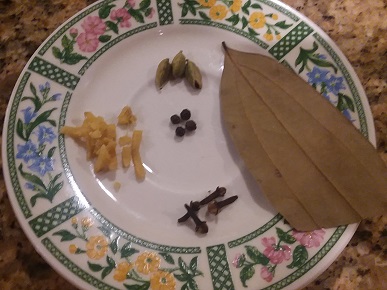
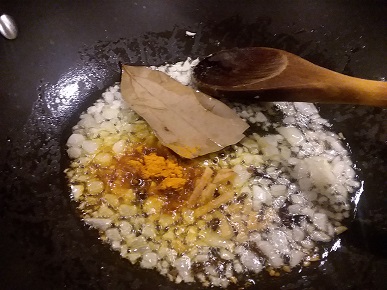
In a wok heat the oil and add the laurel leaf, peppercorn, ginger root, cloves
Cloves, black pepper, cardamon, ginger, and laurel leaf are the spices for this rice
When the spices are lightly roasted add the onions
When the onion turn gold add the turmeric powder
Add onion and turmeric powder to the spices
Add the rice and stir for a few minutes until it is coated with the spices
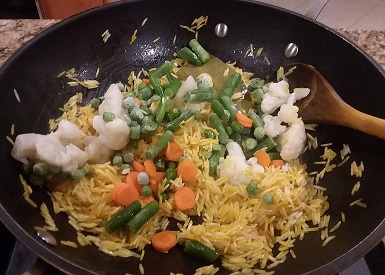
Add the vegetables cut in small pieces and stir for a few minutes
Add vegetables cut in small pieces
Add enough water to cover the rice and add salt
Cover and cook on low flame until the basmati rice is soft but firm (usually ~15 minutes)
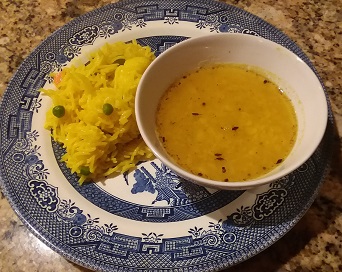
The rice can be served with a yellow lentil soup
When ready the rice can be served with a side of legumes or green vegetables
If you like this recipe please share it and help reduce meat consumption!
This recipe requires a variety of roots. I wasn’t familiar with some of them, but have been pleasantly surprised. They are actually quite easy to make. One can try different roots, I am sure they will be just as good as those listed here.
Useful things to have ready
I suggest to boil some of the roots to make them just a little soft before baking them in the oven.
Preparation time: 15 minutes +30 minutes for baking
Ingredients (3-4 people)
1 Parsnip
1 Red Beet
1 Turnip
1-2 Carrots
1 Taro root
2-3 tablespoons of olive oil
Salt
Parsley (optional)
Procedure
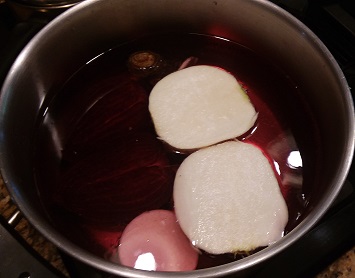
Cut the taro, turnip and beet and boil them with little salt just enough to soften them (10 minutes).
Boil roots until slightly tender
Meanwhile peel and slice the turnip
Sliced turnip
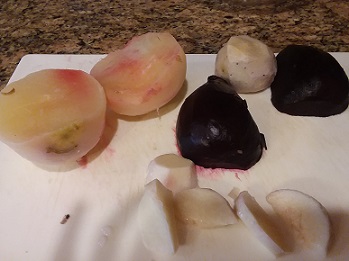
When the roots are soft enough to be peeled drain them, place them under cold water and peel them when cold.
Peel the carrots
Slice the peeled roots in thin slices
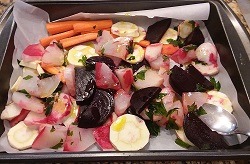
Place in an oven pan, dress with olive oil, salt and parsely and place in the oven at 400 degrees F
Ready to go in the oven
After about half hour the vegetables should be ready. They can accompany a dish of vegetarian sausage or veggie chicken
This recipe requires a few spices that are needed to add some extra flavor to the beans. You can adjust the ingredients to suit your taste. The recipe is very sustainable, it has only few ingredients and legumes are among the most sustainable crops. You don’t have to sprout the beans necessarily, they can also be cooked as they are. Below are some additional tips to go more sustainablefor those who have the time and availability .
Ingredient
Onions
More Sustainable
No plastic
Less Sustainable
Plastic bag
Useful things to have ready
Mung beans need about 48 hours to sprout. Once cooked they also make an excellent lunch or even a snack.
Preparation time: 48 hours to sprout the beans, 20 minutes to boil, 10 minutes to cook.
Ingredients (3-4 people)
Mung beans (2 fistful per person)
Two tablespoon of onions chopped in small pieces
1 garlic clove smashed (optional)
1/2 teaspoon turmeric
Red chili (optional)
1/2 teaspoon garam masala (or other spice, optional)
1/2 teaspoon mustard seeds
1/2 teaspoon cumin seeds
1 tablespoon of roasted peanuts (optional)
Salt
One tablespoon of vegetable oil
Procedure
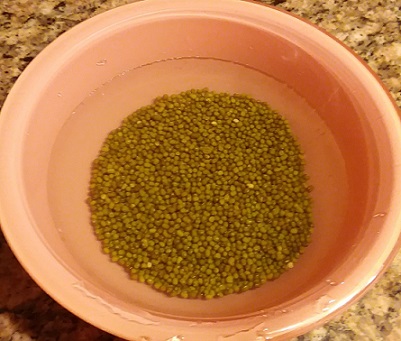
Rinse the mung beans and soak for at least 8 hrs in water.
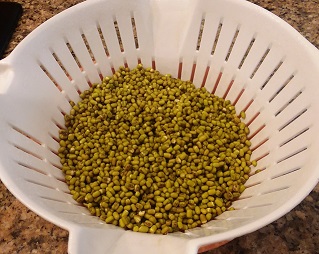
Drain and rinse the beans in a colander
Place a plate under the colander and store the beans in a dark place (no need to wrap in a cloth or to keep in a closed lid container)
Every about 8 hours take them out, rinse them and put them back in the dark
Soak the beans for ~8 hrs
The beans can be stored in a pantry this way
The beans will start sprouting after about 8 hours
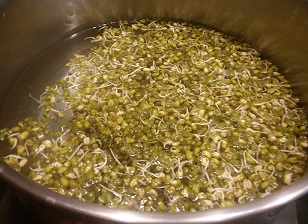
When they are fully sprouted place them in salty water and bring to a gentle boil
Here are the sprouted beans
Gently boil them in salty water
Boil the beans for about 15 minutes or until tender and drain
Heat the vegetable oil
Add cumin seeds and mustard seeds
Add onions and cook for a few minutes
Add red chili, turmeric, garam masala (or spices of your choice)
Add beans and salt
Add peanuts (optional)
You can accompany this with green vegetables or rice
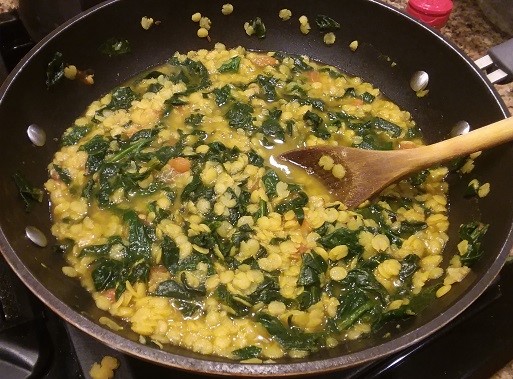
This recipe requires a few ingredients such as yellow lentils (toor dal), garam masala, and hing that can be found in Indian grocery stores. Yellow lentils can also be found at regular grocery stores depending on where you live. Hing (asafoetida) and garam masala can be skipped if they are not available where you live and replaced with available spices. You can adjust the ingredients to suit your taste. Spinach usually require a lot of pesticides, choosing organic spinach helps reducing the use of pesticides in agriculture. It is also better to avoid produce packaged in plastic bags.
I’ll be happy to send you entirely upcycled produce and grocery bags. Check them out here and let me know if you need any.
Useful things to have ready
I suggest to rinse and soak the yellow lentil for about 8 hours before boiling, however is not required. After soaking them they can be kept in the refrigerator for a day or two before cooking.
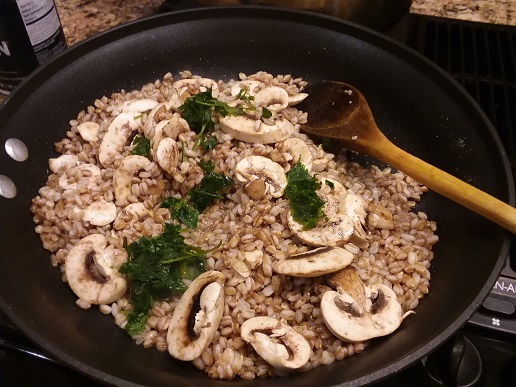
Organic farro is a sustainable ingredient (wish I could find it in a sustainable package) and this recipe is very simple. Farro can be used as a side dish with tofu or with legumes. It can also be used as a substitute for brown rice. The ingredients of this recipe are generally sustainable. You can adjust the ingredients to suit your taste. Below are some additional tips to go more sustainablefor those who have the time and availability .
Ingredient
More Sustainable
Less Sustainable
Farro Mushrooms Garlic
Organic Organic No packaging
Regular Regular Packaged
Useful things to have ready
I suggest to rinse and soak the farro for about 8 hours before boiling. After boiling it can be kept in the refrigerator for a day or two before cooking it.
Preparation time: 30 minutes
Ingredients (3-4 people)
Pearled farro (1 fistful/person + 1 more)
1 garlic clove
6-7 bella or white mushrooms
One table spoon of olive oil
Half teaspoon of red chili pepper or black pepper (optional)
Salt
Parsley (optional)
Procedure
Drain and rinse the farro
Boil for 15-20 minute in slightly salty water
When the farro is soft but not mushy drain it in a colander and immediately rinse with cold water
At this point you can store it in a refrigerator in a closed container for a day or two or you can proceed
Smash the garlic clove
Add the olive oil to a non-stick pan
Add red pepper (optional)
Add smashed garlic and cook for 1 minute
Add farro and cook for 2 minutes mixing
Add mushrooms
Add salt if necessary
Cook for a few minutes until the mushrooms are ready
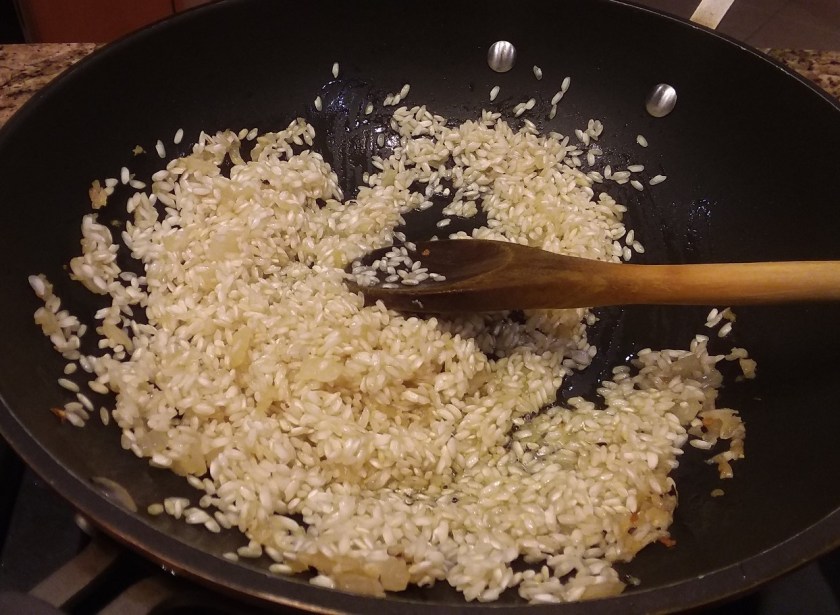
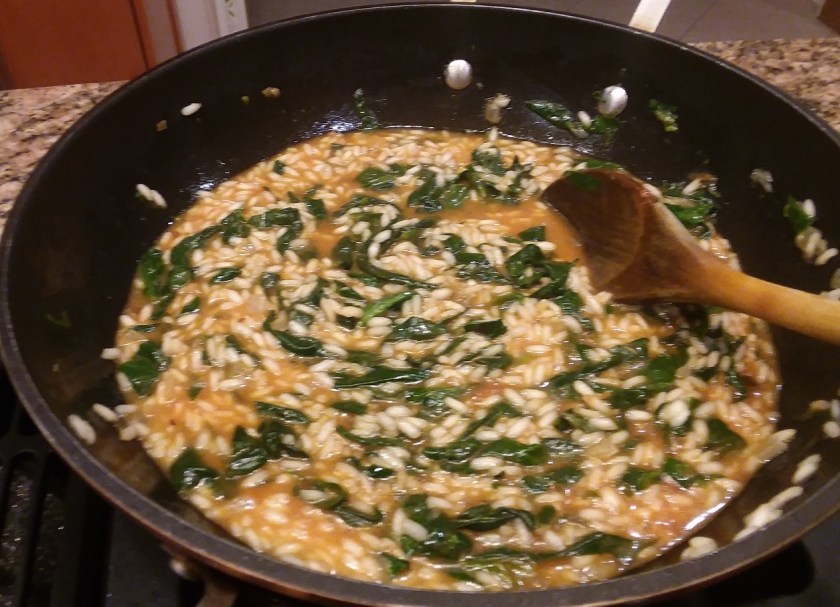
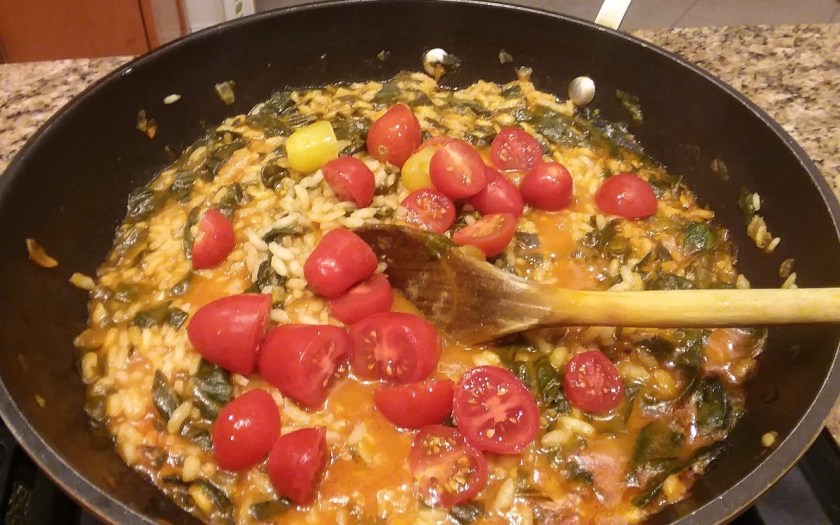
The main ingredients of this recipe are generally sustainable. You can adjust the ingredients to suit your taste. Below are some additional tips to go more sustainablefor those who have the time and availability . Fresh, organic spinach are the most sustainable choice. Regular spinach use a fair amount of pesticides and with the frozen choice comes the plastic bag. The same can be said for the ready made broth that usually comes in a non-recyclable container.
Ingredient
More Sustainable
Less Sustainable
Cheese Spinach Vegetable Broth Onion
Avoid Organic/Fresh Home made/buillon No plastic bags
Parmesan sprinkle Regular/Frozen From a box In plastic bags
Useful things to have ready
Vegetable broth can be prepared anytime and kept in the freezer in a glass jar (click here to see how to prepare vegetable broth). I used to find the vegetable buillon cubes but can’t find those anymore.
















 You Choose