Welcome to ChooseSustainable.org a blog about individual climate action. In this post I talk about winter gardening in your native prairie. Have you given a thought about transitioning your gardening habits from an endless list of “getting rid of” to welcoming, sustaining, and restoring of lost habitat? Do you know that restoring a piece of native ecosystem in your backyard is one of the most effective ways you can fight soil degradation, pollution, and loss of biodiversity?
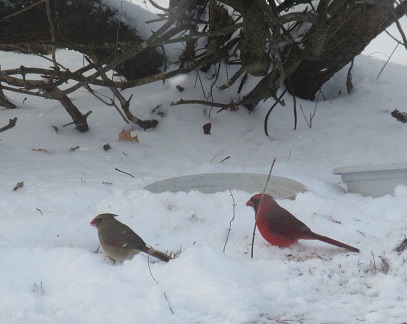
In this post I talk about winter activities that help biodiversity. Remember that wildlife, just like us, inhabits the land all year round, not just in summer, and needs food, water, and shelter all year, just like we do. The good news is that when it comes to winter gardening less is more. In fact, our obsession with fall cleaning deprives other species of their winter shelter and eliminates important sources of food for birds that don’t migrate. Let’s get started then with our fall and winter trash to treasure list.
Leaves
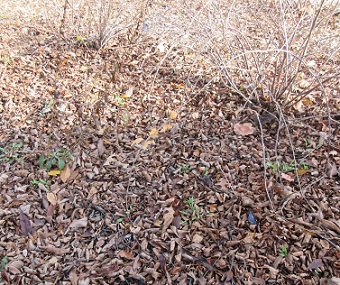
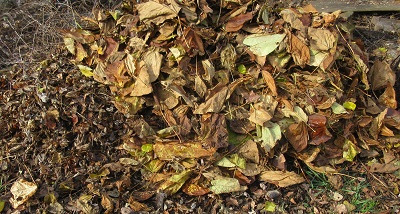
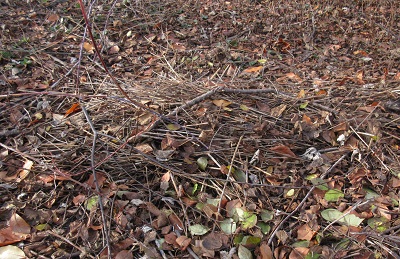
Trash to us treasure to...Birds, insects, turtles, moths butterflies, fireflies, bumblebees, chipmunks, frogs and other amphibians…and the list goes on. Don’t trash the fallen leaves, gently push them out of the lawn area and collect them in a designated corner of your yard. They appear to be a lot, but after a couple of rainfalls they reduce to little. You can also divide them among the planted areas and around trees. I add to them all that is produced in the kitchen, mostly fruit and vegetable peels, and coffee grounds.
perennial STEMS
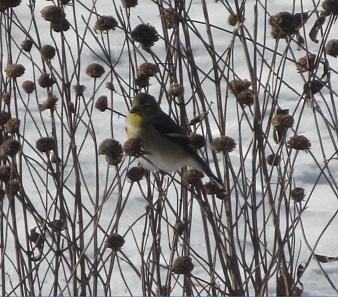
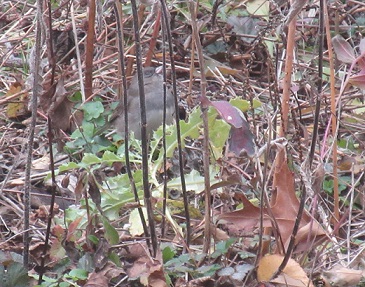
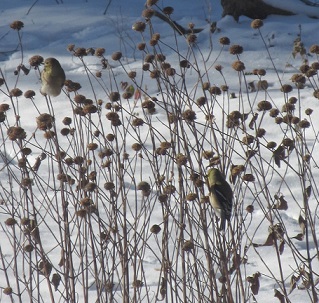
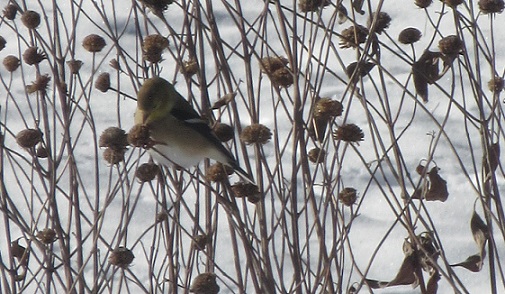
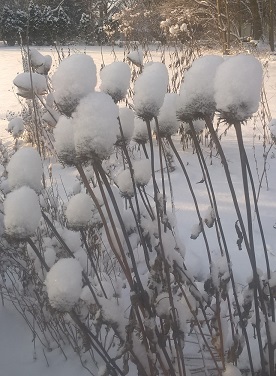
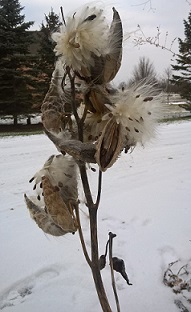
Trash to us treasure to...stem nesting bees, birds, rabbits, chipmunks. Perennials should be left as they are. Perennials in winter provide food and hiding places for birds and small animals. The stems of perennial plants that we are quick to remove because “dead” and “unsightly” provide nesting space for stem nesting bees in early spring. They should be left untouched until late February or March, then just shortened to about 1 foot. You can leave the cut ends on the ground as they quickly decompose during spring and summer and enrich the soil beneath. In early spring stem nesting bees lay their eggs into the hollow stems where the new larvae develop. Read more about stem nesting bees here:
https://xerces.org/sites/default/files/publications/22-005_01_web-press.pdf
Beautiful perennials that provide good nesting for stem bees are: Elderberry, Joe Pye Weed, Goldenrods, Bee Balm, and Purple Coneflower.
SNAGS, branches, and twigs
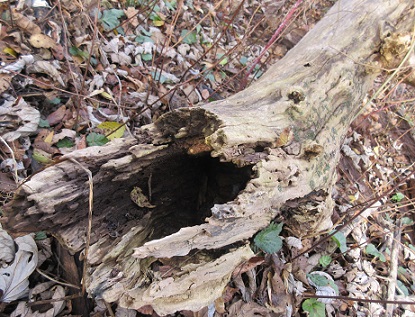
Trash to us treasure to...Birds, bees, chipmunks, lizards, rabbits, squirrels. Our fall and winter cleaning often includes complete removal of fallen branches, twigs, and dead trees. Trees continue to live after they die. Hollow wood provides nesting places for wood nesting bees, birds, and small mammals. If you are lucky enough to have a wooded area in you backyard, you can leave dead trees (snags) properly shortened to avoid hazards, branches, and small piles of wood material. Dead trees at the edge of a backyard can also be kept and just cut back enough so that they are not hazardous. Fallen twigs and smaller branches can be piled up in a corner and left there to decompose. Here is a link to know more about wood nesting bees and nesting for pollinators:
https://xerces.org/pollinator-conservation/nesting-resources
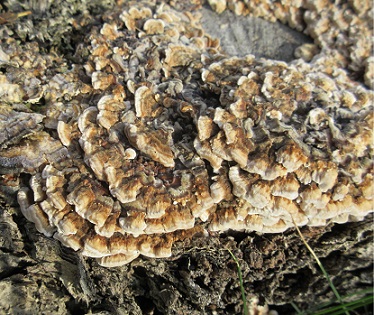
Wood mushrooms decompose the hard part of the wood releasing nutrients that enrich the soil. Keeping snags and branches as much as we can ensures that the full cycle of life takes place in our yard.
LAWN imperfections
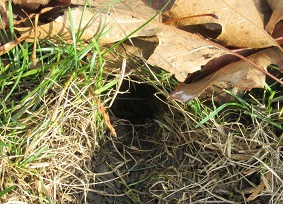
Trash to us treasure to...Ground nesting bees, bumblebees, chipmunks to name a few. Small holes in flowerbeds and lawns are likely due to wildlife trying to find a place to overwinter. Ground nesting bees can dig their own holes where the soil is soft, or they can also reuse holes dug by other wildlife. Extensive pesticide use on the lawn and obsession with lawn appearance are harmful to everybody and especially ground nesting bees. Read more here:
enjoy winter gardening
Finally, fall and winter gardening is a lot about observing, discovering, and planning for spring. Already in February we’ll be planning our cutting and sowing if we haven’t done it in late fall. Sustainable fall and winter activities ensure that life continues in your yard through the seasons and allow wildlife to survive harsh winters. HAPPY SOLSTICE DAY!
Would you like to talk about a native plant in your backyard? Please send me your post at info@choosesustainable.org
If you liked this post please share it!








 You Choose