Actions and News: The American Meteorological Society (AMS) released its global climate assessment for 2024

Welcome to YouChoose, a blog about individual climate action.

Last month the AMS published the 35th annual climate report for the year 2024. The comprehensive report was put together by about 600 scientists worldwide and provides the latest update on land and ocean observations from ground and space, global climate indicators, and specific weather events. It covers regional and global climate.

The report, as well as previous ones, can be found at:

https://www.ametsoc.org/ams/publications/bulletin-of-the-american-meteorological-society-bams/state-of-the-climate/?utm_source=Subscribers&utm_medium=Email&utm_campaign=Newsletter&_zs=feUBd1&_zl=B0xKA

A summary can be found here:

https://www.ametsoc.org/ams/about-ams/news/news-releases/international-state-of-the-climate-report-confirms-record-high-greenhouse-gases-global-temperatures-global-sea-level-and-ocean-heat-in-2024/?utm_source=Subscribers&utm_medium=Email&utm_campaign=Newsletter&_zs=feUBd1&_zl=C0xKA

Actions and News: 2024 was warmest year on record according to NASA

Welcome to YouChoose, a blog about individual climate action.

According to a NASA report released in January 2025, the year 2024 was the warmest year on record. Although it is not expected for every year to be warmer than the previous one, temperature data show a clear trend.

If interested you can read more at:

https://www.nasa.gov/news-release/temperatures-rising-nasa-confirms-2024-warmest-year-on-record

I thought I pass this along as there is a brief video and nice 3D visualization that shows monthly global temperature differences (since 1880) with respect to the average temperature for 1951-1980.

Actions and News: Ask the US fish and wildlife service to protect monarch butterflies.

Welcome to YouChoose, a blog about individual climate action.

The population of monarch butterflies is steadily declining. There is an opportunity to voice our support to include monarch butterflies in the list of threatened species under the Endangered Species Act.

Read more about monarch butterflies and why they should be protected here:

https://xerces.org/monarchs

You can then go to the National Wildlife Federation petition and add your name HERE

Below is the full link to the petition page:

https://support.nwfactionfund.org/page/78153/action/1?utm_medium=email&utm_source=engagingnetworks&utm_campaign=20250121_ACT_ETT_FederalAgency_MonarchCommentPeriod_Monarchs_Email1&utm_content=20250121+ACT+ETT+FederalAgency+MonarchCommentPeriod+Monarchs+Email1&ea.url.id=3260839&forwarded=true

Check out this previous post about planting milkweed in your backyard.

Conservation begins in our backyard! Convert your lawn to a diverse ecosystem, switch to native plants and become part of the conservation efforts!

Please share this post!

Actions and News: August 19 is International Orangutan Day

Welcome to YouChoose, a blog about individual climate action.

Tomorrow, August 19th is International Orangutan Day. Read more about these primates from the WWF website:

https://wwf.panda.org/discover/knowledge_hub/endangered_species/great_apes/orangutans/

Orangutans are critically endangered from loss of habitat due to deforestation from the palm oil industry. A new tool developed in collaboration with the University of Chicago Data Science Institute tracks deforestation linked to 15 major brands that we use every day.

https://palmwatch.inclusivedevelopment.net/

There you can check out your preferred brand and boycott products that contain palm oil. How about sustainable palm oil? That simply does not exist! Read more below about RSPO and greenwashing.

https://palmoildetectives.com

The good news is that there are alternatives to brands that use palm oil in their products. Please support those brands as much as you can. Sometime it takes just a little bit of research to find new products. I have been able to replace all my soaps and food with palm oil free alternatives at no additional cost!

The survival of Orangutans starts from our grocery list

Please share this post!

Helpful info: Below are the food items most likely to contain palm oil. Check out ingredients before buying

  • Doughnuts
  • Candies
  • PopCorn
  • Chocolate spreads
  • Fast food, fried items, and hamburgers
  • Crackers, cereals, cookies, pancake mixes, soups, bread products
  • Bakery products in grocery stores
  • Frozen meals, ice creams, frozen waffles, and pancakes
  • Hand soap bars and liquid
  • Dishwasher soap
  • Laundry soap
  • Cosmetics (lipstick, foundation)

Beware that beauty product are not required to disclose the full ingredient list, here is a list of ingredients that reveal the presence of palm oil, keep this list handy when shopping, make sure that they are palm oil free:

  • Sodium Palmate
  • Ammonium Laurel Sulfate
  • Cocamidopropyl Betaine
  • Glycerin, Glycerine
  • Lauric acid
  • Sodium Cocate
  • Sodium Dodecyl Sulfate
  • Sodium Laureth (Lauryl) Sulfate
  • Sodyum Lauryl
  • Ether Sulfate
  • Sodium Lauryl Sulfite
  • Sodium Palm Kernelate
  • Sodium Stearate
  • Stearic Acid
  • Tocopherols

Actions and News: Ask congress to support improvements to the North American Grasslands Conservation Act

Welcome to YouChoose, a blog about individual climate action.

The North American grasslands are disappearing at a fast rate causing the irreversible decline of the entire ecosystem that relies on them. Please ask congress to continue working to stop the decline by supporting improvements to the North American Grasslands Conservation Act.

Read why more action is required from the National Wildlife Federation:

https://www.nwf.org/Outdoors/Blog/02-09-2023-Grasslands

You can then go to the petition sign up page and add your name:

https://support.nwfactionfund.org/page/71342/action/1?ea.tracking.id=FBK_NWFAF

The great American prairies constitute a large part of grasslands. Almost entirely destroyed by European settlers in the 19th and 20th century prairies are now one of the most endangered ecosystems in the world, less than 2% of the original extension survives. You can read more about the North American Grasslands and why they matter here:

https://americanprairie.org/why-it-matters/

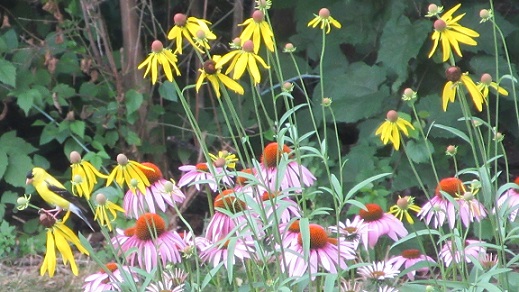
Chances are that your very lawn grows where a piece of grasslands used to be! You can change that back, by switching to native plants that once covered large part of the American landscape and have now almost disappeared.

Restore a piece of American grasslands in your backyard and help recover a disappearing ecosystem.

Please share this post!

Actions and News: New USDA plant hardiness map released

Welcome to YouChoose, a blog about individual climate action.

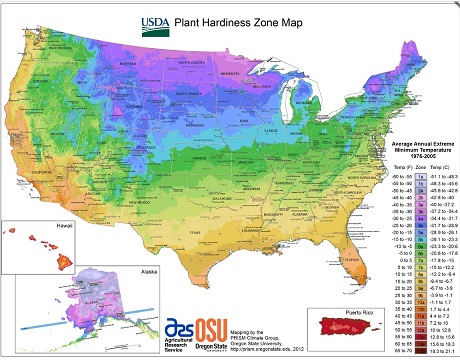
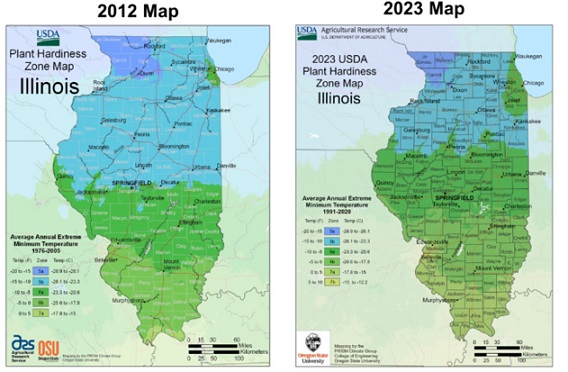
At the end of 2023 the USDA released the updated 2023 plant hardiness zone map. The previous map had been released in 2012. The map can be found here:

https://planthardiness.ars.usda.gov

The map provides a climatology of minimum temperatures across the US and is a valuable tool for gardeners to decide which plants have better chance of survival in a certain region. I am placing here the 2012 and 2023 maps next to each other.

The new map confirms the warming trend we all have been feeling to some degrees, especially here in the Midwest.

Temperature is one factor that affects your plants chances of survival, but other factors such as droughts and extreme events affect your garden as well. Using native plants in your garden helps mitigate the effects of climate change on your landscape. Native plants have uniquely evolved to withstand extreme conditions. In fact there are prairie plants such as the lead plant (Amorpha canescens, just to mention one) that can tolerate extreme droughts.

If you are interested in knowing more about hardiness and ecoregions check out this nice article from the National Wildlife Federation on how to plan a sustainable garden

https://blog.nwf.org/2024/02/hardiness-zones-and-ecoregions-for-climate-smart-gardening/

Don’t feel that your efforts are in vain. You can be sure that switching to native plants and pesticide-free gardening has a profound impact on the environment.

Please share the link.

Actions and News: New Western Monarch count released

Welcome to YouChoose, a blog about individual climate action.

The Western Monarch Count from the Xerces society is out for this year. Read more about what was found and learn about the health of the Western Monarch population at the following link from the Xerces Society for Invertebrate Conservation:

https://xerces.org/press/western-monarch-count-tallies-233394-butterflie

Both Western and Eastern Monarch populations are facing a steep decline in the last 30 years. Become a part of the effort to preserve the species:

  • Plant native milkweed and native nectar plants in your garden.
  • Reduce or avoid herbicide and insecticide use, especially systemic insecticides in your yard. 
  • Avoid agricultural products that are high in pesticides and herbicides, support organic agriculture when possible

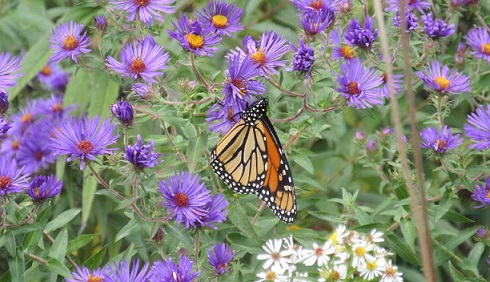
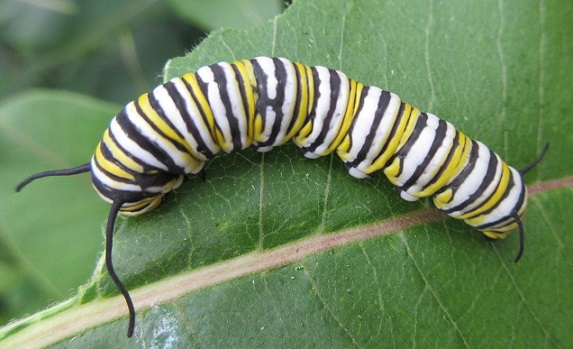
All photos in this post show the Midwest monarch butterfly. All monarch sub-varieties are facing threat of extinction.

Don’t feel that your efforts are in vain. You can be sure that switching to native plants and pesticide-free gardening has a profound impact on the environment.

Please share the link.

Actions and News: Tell the US forest service to protect old forests

Welcome to YouChoose, a blog about individual climate action.

Forests are the soul of the Earth and deforestation is an existential threat to all life on our planet. Old growth forests in particular are home to countless species of plants and animals. If you have ever been in a forest you may have felt the connection to your very own spiritual essence.

The US Forest service is seeking out public comments on its forest management plans. If you care about forests and biodiversity this is a time to make your voice heard and let the government know that you care about protecting our forests.

This is the link to the US Forest Service page where information on the proposal is given.

Please tell our government to conserve and restore old growth forests and protect them from logging and exploitation.

Here is the link to the Defenders of Wildlife petition page where you can add your name to urge the US Forest Service to stop logging and conserve US forests.

Please share the link.

Do you want to do more? Palm oil, meat, and livestock industry are the #1 cause of deforestation worldwide. Don’t finance deforestation with your own money, boycott the products of deforestation.

This Halloween choose sustainable

Welcome to ChooseSustainable.org a blog about individual climate action. It’s almost Halloween and you have probably added to your grocery list a bag of candies to distribute to kids in a few weeks.

It takes a small effort to celebrate an Earth friendly Halloween by avoiding candies that contain palm oil. Just look at the list of ingredients and select candies that don’t contribute to deforestation. Is that simple!

Don’t be fooled by sustainable palm oil labels, there is no such a thing as sustainable palm oil. Read here from the World Wildlife Fund about the link between big money and deforestation. Here you can find the palm oil buyers scorecard and here you can search the score of industries that make Halloween candies such as Mondelez International. Even the best scoring companies such as Ferrero can’t entirely account for the provenance of their palm oil.

Industrial deforestation, driven by palm oil demand, is one of largest contributor to climate change and the largest driver of loss of biodiversity and mass extinction on the planet. Don’t finance the suffering of countless species with your money, this Halloween go palm oil free.

If you liked this post please share it!

Actions and News: Tell Congress to pass the Monarch Action, Recovery, and Conservation of Habitat Act

Welcome to YouChoose, a blog about individual climate action.

Monarch butterflies (eastern and western) are in sharp decline. Read here from the Xerces Society the conservation actions needed and the challenges faced to save the Eastern and Western populations.

You can be part of the effort: Support organic agriculture, start your own native pollinator garden, avoid pesticides and other chemicals in your yard.

Tell Congress to support the MONARCH ACT to help recovery of the Western Monarch Butterfly. Please sign the National Wildlife Federation petition below:

National Wildlife Federation petition page

Please share the link.