Welcome to YouChoose, a blog about individual climate action.
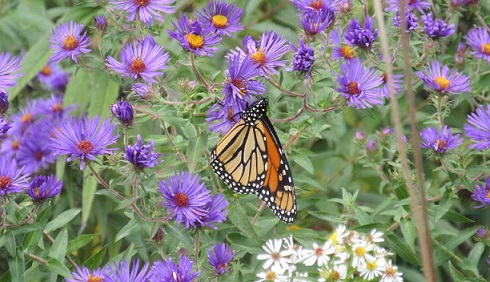
The population of monarch butterflies is steadily declining. There is an opportunity to voice our support to include monarch butterflies in the list of threatened species under the Endangered Species Act.
Read more about monarch butterflies and why they should be protected here:
Welcome to YouChoose, a blog about individual climate action.
The North American grasslands are disappearing at a fast rate causing the irreversible decline of the entire ecosystem that relies on them. Please ask congress to continue working to stop the decline by supporting improvements to the North American Grasslands Conservation Act.
Read why more action is required from the National Wildlife Federation:
The great American prairies constitute a large part of grasslands. Almost entirely destroyed by European settlers in the 19th and 20th century prairies are now one of the most endangered ecosystems in the world, less than 2% of the original extension survives. You can read more about the North American Grasslands and why they matter here:
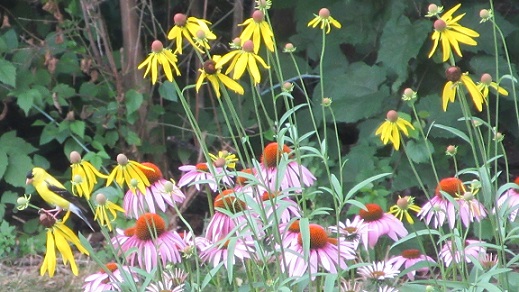
Chances are that your very lawn grows where a piece of grasslands used to be! You can change that back, by switching to native plants that once covered large part of the American landscape and have now almost disappeared.
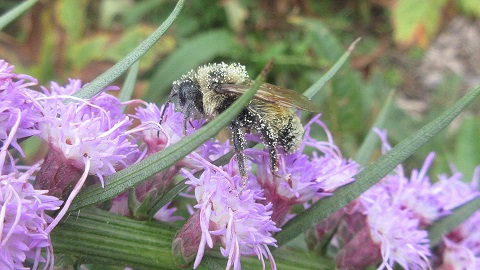
Restore a piece of American grasslands in your backyard and help recover a disappearing ecosystem.
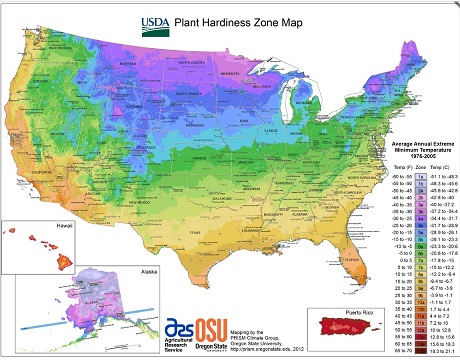
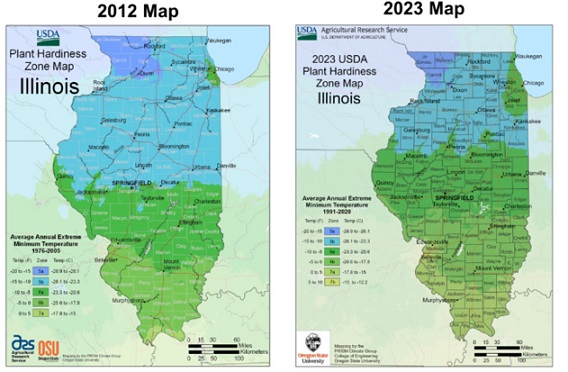
The map provides a climatology of minimum temperatures across the US and is a valuable tool for gardeners to decide which plants have better chance of survival in a certain region. I am placing here the 2012 and 2023 maps next to each other.
The new map confirms the warming trend we all have been feeling to some degrees, especially here in the Midwest.
Temperature is one factor that affects your plants chances of survival, but other factors such as droughts and extreme events affect your garden as well. Using native plants in your garden helps mitigate the effects of climate change on your landscape. Native plants have uniquely evolved to withstand extreme conditions. In fact there are prairie plants such as the lead plant (Amorpha canescens, just to mention one) that can tolerate extreme droughts.
If you are interested in knowing more about hardiness and ecoregions check out this nice article from the National Wildlife Federation on how to plan a sustainable garden
Don’t feel that your efforts are in vain. You can be sure that switching to native plants and pesticide-free gardening has a profound impact on the environment.

 You Choose